Understanding Dry Sensitive Skin
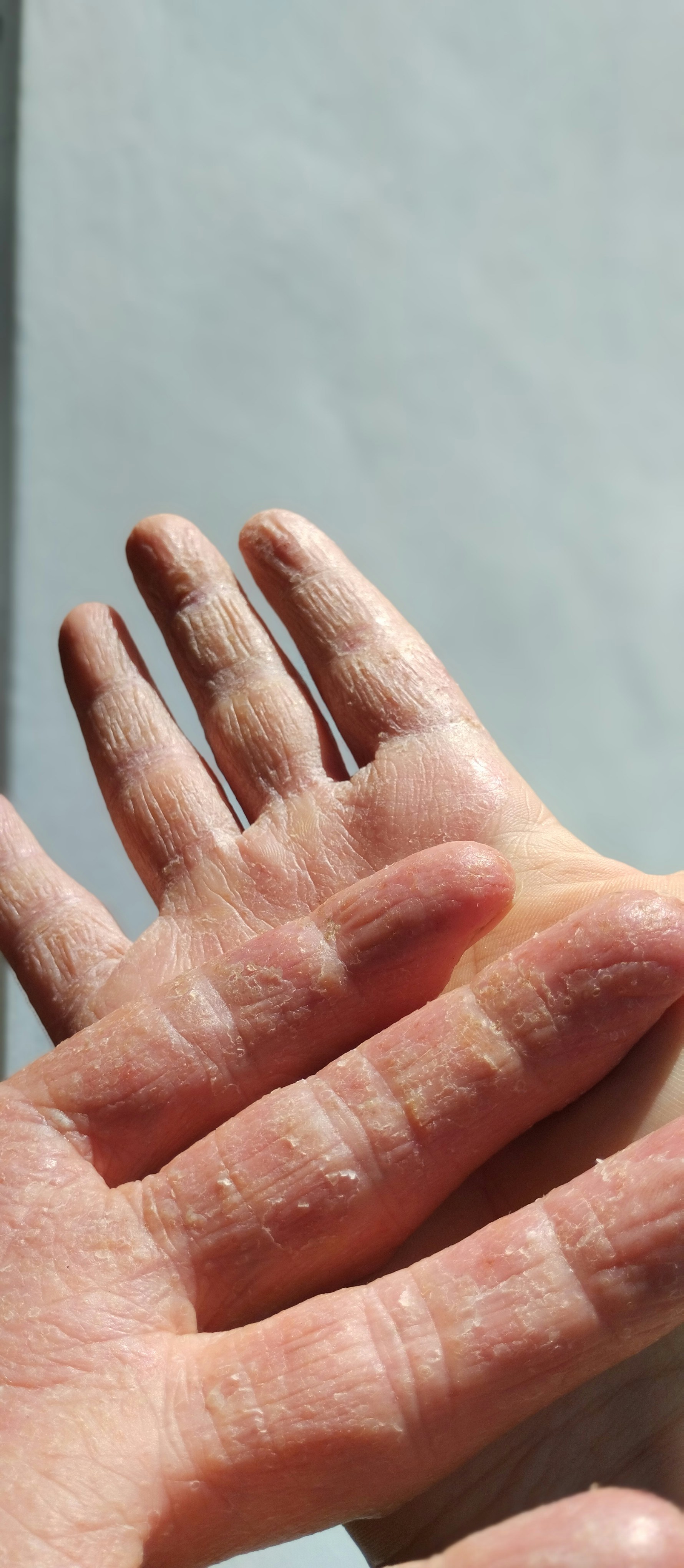
Dry sensitive skin is a complex skin type characterized by a compromised skin barrier leading to discomfort and various symptoms. Individuals with this condition often experience skin that feels tight, itchy, and flaky. The defining trait of dry sensitive skin is its low tolerance to external irritants, which can exacerbate discomfort and contribute to redness or inflammation. This skin type may often be mistaken for conditions such as eczema or psoriasis, as the symptoms can overlap significantly but differ in underlying causes.
Several factors contribute to the development of dry sensitive skin, including environmental influences such as climate and weather conditions. For instance, exposure to cold temperatures, low humidity, and harsh winds can strip the skin of moisture, exacerbating dryness. Similarly, the use of harsh soaps or skincare products containing alcohol can irritate the skin, resulting in a compromised barrier. Furthermore, excessive sun exposure can damage skin cells, leading to dryness and heightened sensitivity.
Lifestyle choices also play a significant role in skin health. For instance, a diet lacking in essential fatty acids, vitamins, and minerals can lead to skin dehydration. Additionally, habits such as excessive bathing or using very hot water can further deplete the skin’s natural oils, resulting in increased sensitivity. Genetic predisposition is another consideration, as some individuals may inherit a tendency toward developing sensitive skin types.
Understanding the characteristics of dry sensitive skin is vital in identifying effective remedies. Individuals must recognize how their skin reacts to various external and internal factors to choose appropriate treatments and regimens that restore moisture and protect the skin barrier.
The Role of Hydration in Skin Care
Maintaining adequate hydration is pivotal for individuals with dry sensitive skin. The skin acts as a barrier, and its ability to retain moisture directly influences its overall health and appearance. Proper hydration ensures that the skin remains supple, resilient, and less prone to irritation. Without sufficient moisture, the skin can become flaky, tight, and compromised, making it more susceptible to environmental aggressors.
Water intake plays a substantial role in skin hydration. While the recommended daily water consumption can vary based on individual needs, ensuring an adequate intake can improve skin texture and minimize dryness. However, hydration is not exclusive to internal sources; utilizing external hydration products is equally essential. Emollients, humectants, and occlusives are among the key categories of ingredients that help maintain skin moisture.
Dermatologists often recommend specific hydrating ingredients such as glycerin, hyaluronic acid, and urea for their ability to draw moisture into the skin and keep it there. Glycerin is a powerful humectant that draws water from the environment into the skin, enhancing its moisture content. Similarly, hyaluronic acid can hold up to 1,000 times its weight in water, making it an effective ingredient for plumping and hydrating the skin. Urea not only hydrates but also aids in exfoliating dry, compromised skin, promoting a smoother texture.
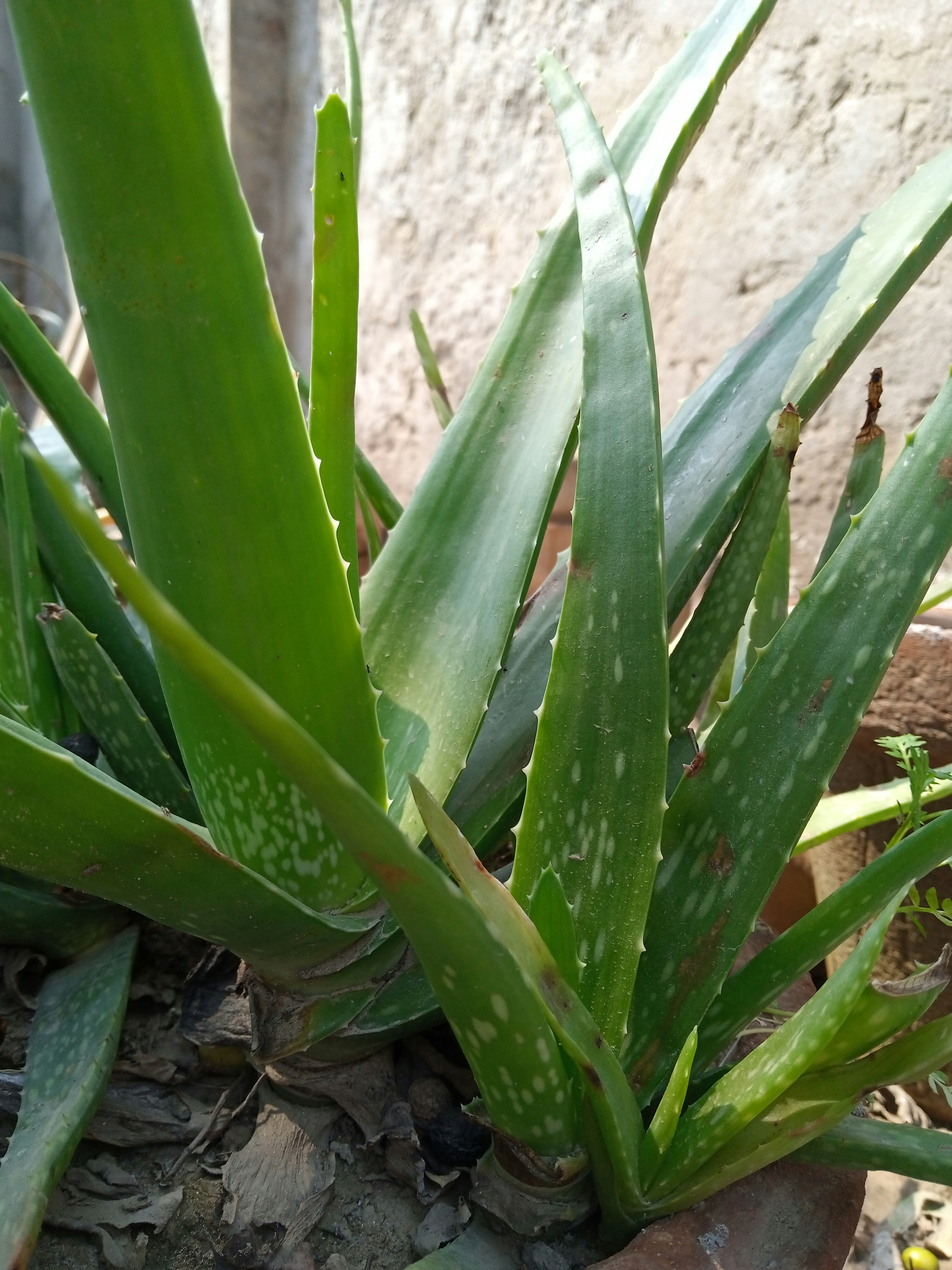
In addition to these ingredients, dermatologists may suggest products like creams and serums specifically formulated for dry sensitive skin, often enriched with soothing agents such as aloe vera and chamomile to balance hydration with calming relief. Regular usage of such products can visibly improve the skin’s hydration levels and overall health, reducing the discomfort associated with dry sensitive conditions.
Gentle Cleansing: The First Step to Soothing Skin
For individuals with dry sensitive skin, establishing a proper cleansing routine is essential for maintaining skin health and comfort. The initial step involves selecting a gentle cleanser that respects the skin’s natural barrier while effectively removing impurities. Harsh soaps and traditional cleansers, often laden with sulfates and fragrances, can strip the skin of its essential oils, leading to increased dryness and irritation. Therefore, turning to gentle cleansing options is paramount.
Dermatologists advise against using products that contain alcohol or artificial fragrances, as these can exacerbate sensitivity and cause further dryness. Instead, opt for cream or oil-based cleansers that hydrate while they clean. These formulations work effectively to remove dirt and makeup without disrupting the skin’s moisture balance. For example, cleansers with ingredients like glycerin, ceramides, or hyaluronic acid are highly recommended due to their hydrating properties.
Several dermatologist-approved products are well-suited for those struggling with dry sensitive skin. One popular option is a fragrance-free hydrating cleanser that combines mild surfactants with nourishing agents, providing a soothing cleanse without the risk of irritation. Another excellent choice is a micellar water, which gently lifts makeup and impurities while being exceptionally gentle on the skin.
When washing the face, it is crucial to use lukewarm water, as hot water can further aggravate dryness. After cleansing, gently pat the skin dry with a soft towel, avoiding rough rubbing to eradicate moisture. By incorporating gentle cleansing practices into a daily skincare routine, individuals with dry sensitive skin can lay a strong foundation for a healthy, comfortable complexion. Ultimately, selecting the right cleansers is a significant first step towards soothing and maintaining overall skin health.
Moisturizing Ingredients to Look For
When searching for effective treatments for dry sensitive skin, understanding the key moisturizing ingredients can significantly enhance the efficacy of your skincare products. Dermatologists often recommend several key components that play a crucial role in hydrating and protecting the skin barrier.
One of the primary ingredients to consider is ceramides. These lipid molecules are naturally found in the skin and help to restore the skin barrier’s integrity. By replenishing ceramides in skincare products, moisture retention is improved, leading to a plumper and healthier-looking complexion. Ceramides can also assist in protecting against external irritants, making them ideal for sensitive skin.
Hyaluronic acid is another superstar ingredient known for its remarkable ability to attract and hold moisture, providing intense hydration for dry skin. This powerful humectant can hold up to 1,000 times its weight in water, ensuring that skin remains adequately hydrated throughout the day. Incorporating products with hyaluronic acid can visibly minimize dryness and promote a supple appearance.
Additionally, glycerin serves as an effective humectant that helps draw moisture from the environment into the skin. It not only provides hydration but also enhances the skin’s natural barrier, making it less susceptible to irritants. Products containing glycerin are usually well-tolerated by even the most sensitive skin types.
Other beneficial ingredients include shea butter, known for its nourishing and soothing properties, and aloe vera, celebrated for its calming effects. Together, these ingredients work synergistically to alleviate dry sensitive skin issues, promoting overall skin health and comfort.
Best Dermatologist-Recommended Moisturizers
When it comes to alleviating the discomfort associated with dry sensitive skin, choosing the right moisturizer is paramount. Dermatologists often suggest products that not only hydrate but also support the skin’s natural barrier. Below are some top-rated moisturizers recommended for those experiencing dryness and sensitivity.
One of the leading options is the CeraVe Moisturizing Cream. This formulation is particularly known for its inclusion of three essential ceramides and hyaluronic acid, which work together to restore the skin barrier and retain moisture. CeraVe’s unique delivery system ensures that hydration is both immediate and long-lasting, making it suitable for sensitive skin.
Another excellent choice is La Roche-Posay Toleriane Double Repair Face Moisturizer. This product is formulated with ingredients like prebiotic thermal water and niacinamide. It is designed specifically for sensitive skin, providing hydration and repairing the skin barrier without clogging pores. Review statistics reveal that many users experience improved comfort and elasticity in their skin after regular use.
The Neutrogena Hydro Boost Gel-Cream is also a noteworthy mention. Its lightweight, gel-like texture is ideal for those who avoid heavy creams. Formulated with hyaluronic acid, this moisturizer is able to deliver intense hydration while being oil-free, making it an appealing option for individuals with sensitive and combination skin types.
Additionally, Aveeno Ultra-Calming Hydrating Gel Cream is recommended for its soothing properties. Infused with feverfew, this cream helps reduce irritation and redness associated with dry skin while maintaining essential hydration. This product is particularly praised for its ability to calm inflammation while providing a moisture boost.
Each of these dermatologist-recommended moisturizers stands out for its effective ingredients and the gentle care it provides to dry sensitive skin. Selecting a product that aligns with personal skin needs can yield significant improvements in skin hydration and overall health.
Lifestyle Changes for Better Skin Health
Maintaining skin health, especially for individuals with dry sensitive skin, requires intentional lifestyle adjustments. One of the essential modifications is adopting a diet rich in nutrients that promote skin hydration. Foods high in omega-3 fatty acids, such as salmon, walnuts, and flaxseeds, can bolster the skin barrier and help retain moisture. Additionally, incorporating fruits and vegetables high in antioxidants, such as berries and leafy greens, can provide protection against oxidative stress that may exacerbate skin dryness.
Hydration plays a crucial role in maintaining skin health. It is important to consume an adequate amount of water daily to keep the skin well-hydrated. The general guideline of eight glasses a day can vary depending on individual needs, but staying mindful of fluid intake is essential, particularly in dry climates or during hotter seasons. Herbal teas and hydrating fruits like cucumbers and oranges can also contribute to overall hydration and skin vitality.
Another significant aspect of skin health is sun protection. Consulting a dermatologist for recommendations on suitable sunscreens is advisable, as some formulations can aggravate sensitive skin. A broad-spectrum sunscreen with SPF 30 or higher should be applied daily, even on overcast days, to prevent UV damage, which can lead to further drying and sensitivity.
Incorporating a gentle skincare routine is equally important. Individuals should opt for fragrance-free, hypoallergenic products designed for sensitive skin. Avoiding prolonged exposure to hot water during bathing and using lukewarm water can help prevent skin from losing its natural oils.
Furthermore, reducing stress through practices such as yoga, meditation, or regular exercise can significantly improve skin condition. Stress has been shown to exacerbate skin conditions, including irritation and dryness. By fostering a holistic approach, individuals can better manage dry sensitive skin and promote overall skin health.
Home Remedies for Dry Sensitive Skin
Dry sensitive skin can be particularly challenging to manage, but there are several effective home remedies that can help alleviate its symptoms. Dermatologists often recommend natural ingredients that provide hydration and nourishment, allowing individuals to create their own soothing treatments.
One such remedy is an avocado and honey mask. To prepare this, mash half an avocado in a bowl and mix it with a tablespoon of honey until a smooth paste forms. Apply this mixture directly to the face and leave it on for 15 to 20 minutes before rinsing it with lukewarm water. The healthy fats in avocado help to moisturize the skin, while honey possesses natural antibacterial properties and promotes healing.
Another soothing solution involves oatmeal. A colloidal oatmeal bath is particularly beneficial for dry, sensitive skin. To make this, blend 1 cup of plain oats into a fine powder and add it to warm bathwater. Soaking in this mixture for about 20 minutes can relieve discomfort, reduce inflammation, and lock in moisture. Following the bath, gently pat the skin dry and apply a fragrance-free moisturizer to enhance hydration.
Furthermore, coconut oil serves as an excellent natural moisturizer. Individuals can apply a thin layer of organic virgin coconut oil to their skin, ideally right after bathing, to seal in moisture. Its fatty acids help to strengthen the skin’s barrier and provide relief from dryness and irritation.
It is crucial to perform a patch test before trying any of these remedies to ensure that no allergic reactions occur. These natural home remedies, recommended by dermatologists, can significantly improve the comfort of those struggling with dry sensitive skin, providing a gentler alternative to commercial products.
When to Seek Professional Help
Understanding when to seek professional help for dry sensitive skin is paramount for maintaining skin health. While dry skin can result from various environmental factors, it sometimes indicates more serious underlying conditions that require the expertise of a dermatologist. It is important to recognize specific signs that may signify the need for a professional assessment.
Firstly, if dry skin is accompanied by persistent redness, swelling, or itching that does not improve with over-the-counter moisturizers or home remedies, it is advisable to consult a dermatologist. These symptoms may point to underlying conditions, such as eczema, psoriasis, or dermatitis, which may require targeted treatments unavailable through casual care methods.
Another indicator is the development of painful cracks or fissures in the skin. Such lesions can lead to infections and require medical intervention to not only address the dryness but also to ensure proper healing. Additionally, if the dryness is localized in certain areas and has not responded to typical treatments, it could signal a specific skin disorder that necessitates further investigation by a professional.
Allergies to skincare products can also exacerbate symptoms. If changes in routine or application of new products result in severe reactions, stopping the use of these products and seeking guidance from a dermatologist is prudent. Furthermore, persistent dryness and irritation after significant lifestyle changes, such as moving to a different climate, should be assessed to determine appropriate skincare adaptations.
In summary, recognizing these signs and knowing when to consult a dermatologist can greatly enhance the management of dry sensitive skin. Proper diagnosis and effective treatment options, such as prescription creams or specialized therapies, can help restore skin health and improve quality of life.
Conclusion: Embracing Care for Dry Sensitive Skin
In summary, caring for dry sensitive skin requires a comprehensive understanding of the unique challenges it poses. This skin type is not only susceptible to various environmental factors but also often reacts adversely to certain products and treatments. Throughout this blog post, we have explored dermatologist-recommended remedies that can help mitigate the discomfort associated with dry sensitive skin.
Among the key strategies discussed, the importance of choosing the right moisturizing agents cannot be overstated. Ingredients such as hyaluronic acid, glycerin, and ceramides have been highlighted for their ability to lock in moisture and reinforce the skin barrier. Additionally, avoiding harsh cleansers and opting for gentle, non-fragrant alternatives can significantly reduce irritation and promote a healthier skin surface.
Furthermore, we examined the role of lifestyle modifications, including hydration, proper diet, and sun protection, as essential components in maintaining optimal skin health. Implementing a daily skincare routine that includes these elements can lead to impactful improvements over time. It is also crucial to listen to your skin; if a product causes discomfort or fails to provide relief, reevaluating its use is advisable.
By adopting the discussed remedies and maintaining a proactive stance towards skin health, individuals with dry sensitive skin can work towards minimizing discomfort and enhancing their overall skin quality. Remember, skin health is a journey that requires attention and care. Embrace these practices, stay informed, and prioritize your skin’s wellbeing for a more comfortable experience.