Understanding Itchy Dry Skin on Hands
Itchy dry skin on the hands is a common condition that can lead to discomfort and affect daily activities. It often presents as a dry, flaky, or cracked surface and is frequently accompanied by sensations of itching, tightness, or a burning feeling. In many instances, these symptoms result from a variety of environmental and physiological factors.
One of the principal contributors to itchy dry skin on hands is environmental exposure. Harsh weather conditions, particularly cold or dry climates, can strip moisture from the skin. Prolonged exposure to water, especially when coupled with soaps, detergents, or hand sanitizers, can exacerbate this condition. The frequent washing of hands, although essential for hygiene, can lead to a degradation of the skin barrier, resulting in increased dryness and irritation.
Additionally, certain skin conditions, such as eczema and psoriasis, are known to cause itchy dry skin. Eczema is characterized by inflamed, itchy patches that can develop on the hands and other areas of the body. Similarly, psoriasis can lead to thick, red, scaly patches that are often itchy and uncomfortable. Individuals with these conditions often experience flare-ups that can be triggered by stress, weather changes, or allergens.
Symptoms of itchy dry skin on hands include persistent itching, dryness, cracking, and in some cases, redness or swelling. Recognizing these signs early can be vital in managing and alleviating the condition. It is crucial to consider both internal and external factors when addressing itchy dry skin, as proper identification of the causes can lead to more effective prevention and treatment strategies.
The Importance of Moisturizing the Skin
Maintaining healthy skin is essential for overall well-being, particularly for individuals suffering from dry skin on their hands. Moisturizing plays a critical role in this maintenance, as dry skin can lead to various issues, including discomfort, irritation, and infections. The act of replenishing moisture in the skin not only restores hydration, but also helps to reinforce the skin barrier. This protective layer is vital in keeping harmful irritants and bacteria at bay, thus reducing the risk of inflammation and further dryness.
One of the primary benefits of regular moisturizing is its ability to alleviate itching, which is often a symptom associated with dry skin. When the skin lacks moisture, it can become tight and flaky, leading to a persistent urge to scratch. By applying a suitable moisturizer, individuals can soothe irritation and enjoy increased comfort. Additionally, effective hydration supports the skin’s natural healing processes. Ingredients such as hyaluronic acid, glycerin, and ceramides are particularly effective due to their ability to attract and retain water, promoting skin elasticity and overall health.
For those specifically dealing with itchy dry skin, selecting the right type of moisturizer is crucial. Creams and ointments generally offer a thicker consistency that provides a stronger barrier against moisture loss. Formulations containing nourishing oils like shea butter, jojoba oil, or olive oil can also be beneficial, as they not only hydrate but also provide essential fatty acids that further support skin repairs. Furthermore, using moisturizers with added elements like vitamins A, C, and E can enhance skin health by delivering important antioxidants. Adopting a consistent moisturizing routine is key to managing itchy dry skin effectively and ensuring long-term skin health.
Natural Remedies for Itchy Dry Skin
Itchy dry skin can be uncomfortable, but several natural remedies can help alleviate this condition effectively. Among these options, coconut oil emerges as one of the most favored due to its high-fat content, which helps to lock in moisture. Applying virgin coconut oil directly to the affected areas not only hydrates the skin but also creates a protective barrier, reducing inflammation and itchiness.
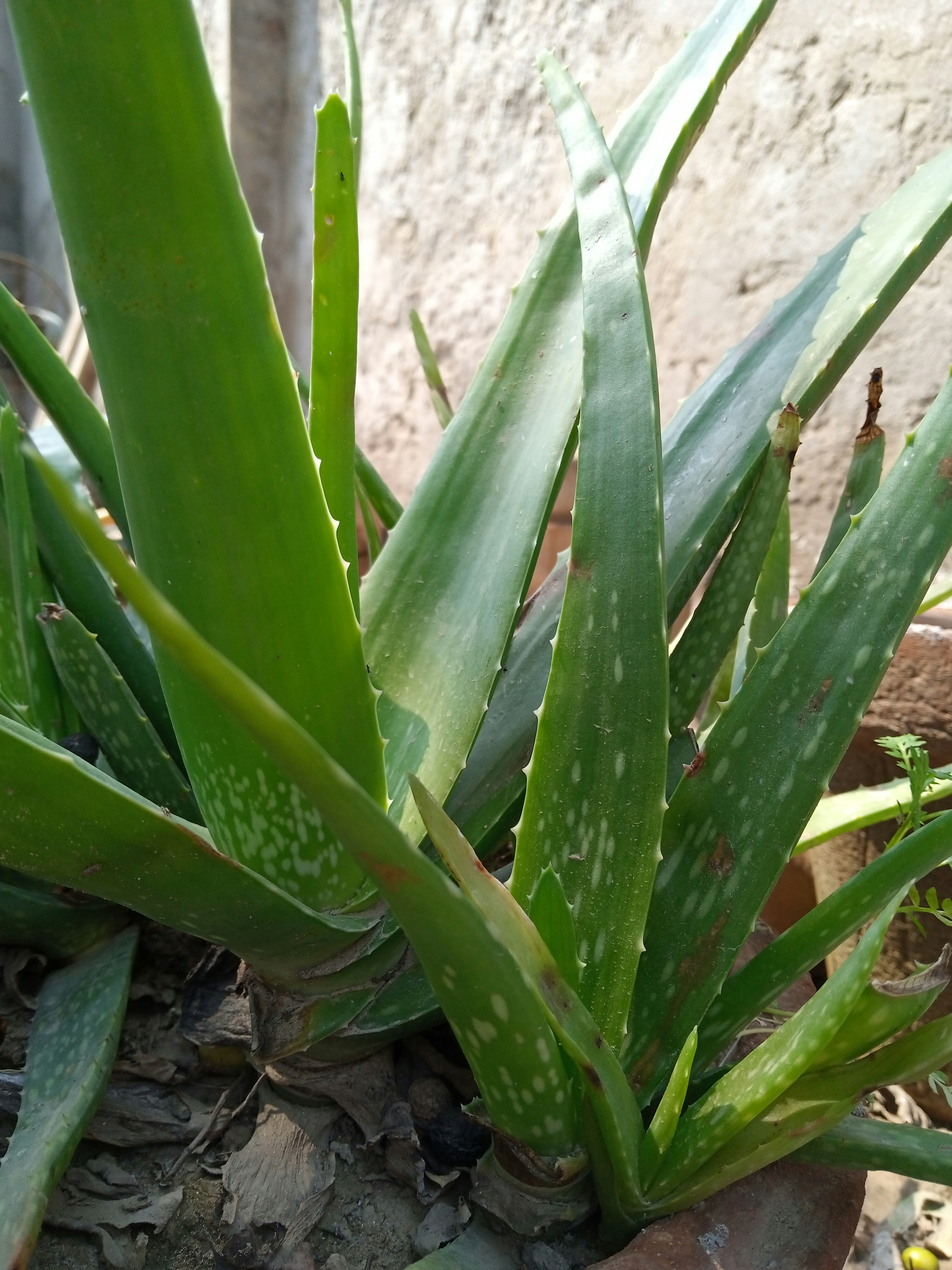
Aloe vera is another excellent natural remedy for itchy skin. Known for its soothing and anti-inflammatory properties, aloe vera gel can provide immediate relief. To use this remedy, simply extract the gel from the leaf of an aloe vera plant and apply it liberally to the dry areas of your hands. This can help to calm irritation and promote healing.
For those seeking a more therapeutic approach, oatmeal baths are immensely beneficial. Oatmeal contains compounds that can soothe inflammation and moisturize the skin. To prepare an oatmeal bath, grind one cup of plain oatmeal into a fine powder and add it to a warm bath. Soaking in this mixture for about 15 to 20 minutes can significantly relieve itchy dry skin.
Honey is yet another natural remedy that boasts powerful moisturizing and antibacterial properties. Applying raw honey to your hands allows it to absorb moisture while simultaneously offering a protective layer against environmental irritants. For optimal results, leave the honey on for approximately 20 minutes before rinsing it off with warm water.
Incorporating these natural remedies into your daily skincare routine can provide lasting relief from itchy dry skin. Each remedy offers unique benefits, making them effective choices for anyone looking to alleviate skin discomfort.
Over-the-Counter Treatments
Treating itchy dry skin on hands can effectively be managed with several over-the-counter (OTC) products designed to provide relief and hydration. Understanding the options available, including hydrocortisone creams, antihistamines, and specialized moisturizers, can help individuals select the most appropriate remedy.
Hydrocortisone creams are a popular choice among those suffering from itchy skin because they contain a mild corticosteroid that can reduce inflammation and itchiness. When using hydrocortisone, it’s paramount to follow the instructions on the packaging carefully. Typically, these creams are applied in a thin layer to the affected area, and users should refrain from using them for prolonged periods unless directed by a healthcare professional.
Antihistamines, either topical or oral, can also aid those experiencing itchiness linked to allergic reactions or skin irritations. Oral antihistamines like diphenhydramine and cetirizine can alleviate itching, while topical antihistamine creams can help provide localized relief. However, it is advisable to consult with a healthcare professional regarding the best antihistamine product suited for individual needs.
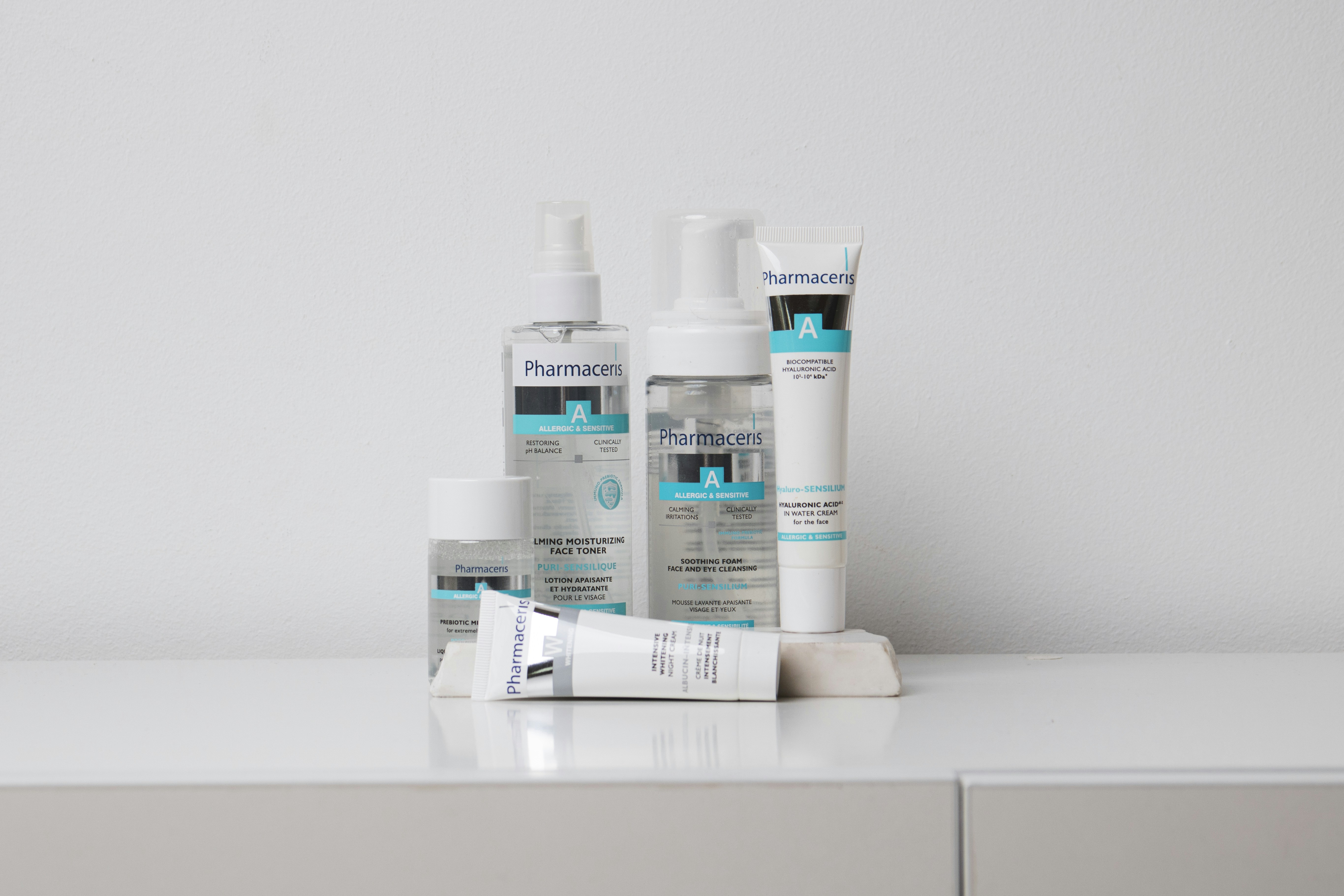
Moisturizers specifically formulated for dry skin can be integral in providing moisture to the hands, thereby alleviating symptoms of dryness. When selecting a moisturizer, consumers should look for key ingredients such as ceramides, hyaluronic acid, urea, or glycerin. These ingredients are effective in attracting and retaining moisture, ultimately leading to improved skin hydration. Additionally, individuals should opt for fragrance-free products to avoid further irritation, especially for sensitive skin.
Choosing the right OTC treatment involves understanding the underlying cause of the dry skin and any additional symptoms present. Consulting with a healthcare provider can help determine the most effective course of action for relief and recovery.
Preventive Measures to Avoid Dry Skin
To effectively mitigate the risk of developing itchy dry skin, implementing certain lifestyle changes can prove advantageous. One of the simplest yet most effective measures is the use of gloves while engaging in household chores. Many household cleaning products and exposure to water can strip the skin of its natural oils, leading to dryness and irritation. By wearing gloves, individuals can create a protective barrier that shields their hands from harsh chemicals and moisture loss.
Another beneficial practice is to avoid hot showers or baths. While it may be tempting to indulge in a relaxing hot bath, particularly during colder months, hot water can exacerbate the problem of dry skin. It is advisable to opt for lukewarm water instead, as this helps preserve the skin’s natural moisture levels. Additionally, limiting shower time can be an effective strategy, as prolonged exposure to water can lead to dehydration of the skin.
Humidity levels in one’s environment play a significant role in skin hydration. During the dry seasons, particularly in winter, the air tends to lose moisture, which can contribute to dry skin conditions. Using a humidifier can help maintain adequate moisture levels in the air, thus preventing skin from becoming excessively dry. This is especially important during nighttime, as sleeping in a well-humidified room can aid in the skin’s recovery and hydration process.
Incorporating these preventive measures into daily routines can significantly decrease the likelihood of experiencing itchy dry skin. By being mindful of environmental factors and adopting protective habits, individuals can promote healthier skin conditions and enhance overall skin comfort.
When to See a Doctor
Itchy dry skin on the hands is a common condition that many individuals experience, often due to environmental factors, allergies, or underlying skin conditions such as eczema or psoriasis. However, there are specific instances when seeking medical advice becomes essential. Recognizing these signs can facilitate timely intervention and potentially prevent complications.
One of the primary indicators that medical attention may be required is persistent irritation. If itchy dry skin continues despite the use of over-the-counter moisturizers and other home remedies, it may signal an underlying health issue. In such instances, it is advisable to consult a dermatologist, who can evaluate your symptoms thoroughly.
Additionally, symptoms that suggest a possible infection necessitate immediate medical consultation. These signs include increased redness, swelling, or warmth around the affected area. If the skin begins to crack, bleed, or produce pus, it is crucial to seek professional care, as these could indicate an infection requiring treatment.
Another reason to consider a doctor’s visit is if the itching or discomfort disrupts daily activities or sleep. Severe discomfort that affects quality of life may warrant further investigation. During a consultation, the healthcare professional will likely perform a physical examination, discuss your medical history, and inquire about any recent changes in your skincare routine or exposure to irritants.
Ultimately, recognizing the symptoms that necessitate medical attention is vital for effective management of itchy dry skin on the hands. Early intervention can lead to a more accurate diagnosis, a tailored treatment plan, and relief from uncomfortable symptoms.
Home Remedies to Try
Itchy dry skin on hands can be a troublesome condition, but there are several effective home remedies that may provide relief. These remedies are not only simple to prepare but are also made with easily accessible ingredients, making them a practical choice for many individuals.
One popular remedy involves using chamomile tea compresses. Chamomile has anti-inflammatory properties that can soothe irritated skin. To prepare this remedy, brew a strong cup of chamomile tea and let it cool. Soak a clean cloth in the tea and apply it directly to the affected areas for about 15 to 20 minutes. This can help calm the skin and reduce itching.
Baking soda baths can also be beneficial for those suffering from dry, itchy skin. Baking soda is known for its soothing properties, which can alleviate irritation. To create a baking soda bath, add about one cup of baking soda to a warm bath. Soak in the tub for around 15 to 30 minutes, then gently pat the skin dry. This method helps to soften the skin and diminish itching sensations.
Essential oils can play a significant role in managing itchy skin as well. Oils such as lavender, tea tree, and coconut oil are known for their soothing effects. For example, mixing a few drops of lavender essential oil with a carrier oil like coconut oil and applying it to the hands can provide relief from dryness and itching. Ensure to do a patch test before widespread application to avoid any adverse reactions.
These home remedies are often easy to incorporate into daily routines and can effectively manage the symptoms of itchy dry skin on hands. However, it is essential to conduct these treatments with care, ensuring that the individual is not allergic to any of the ingredients being used.
Dietary Changes for Healthy Skin
Maintaining healthy skin, particularly when dealing with conditions such as itchy dry skin on hands, often starts with dietary choices. A balanced diet rich in essential nutrients can profoundly impact skin hydration and elasticity. Key components include omega-3 fatty acids, vitamins A and E, and adequate hydration.
Omega-3 fatty acids, found in foods such as fatty fish (e.g., salmon, mackerel), walnuts, and flaxseeds, play a crucial role in maintaining skin moisture. These fats contribute to the skin’s lipid barrier, preventing water loss and addressing dryness. Incorporating these food sources into your meals can enhance skin resilience. For instance, preparing meals that include grilled salmon or adding a tablespoon of ground flaxseeds to morning smoothies are effective ways to improve your omega-3 intake.
Vitamins A and E are also vital for maintaining skin health. Vitamin A, found in carrots, sweet potatoes, and spinach, supports skin cell production and repair. Meanwhile, vitamin E is a powerful antioxidant that protects skin cells from damage. Sources include almonds, sunflower seeds, and avocado. A diversity of colorful fruits and vegetables can ensure a robust intake of these vitamins, providing an added benefit of hydration from their high water content.
Furthermore, staying hydrated is critical for overall skin health. Aim to drink at least eight glasses of water daily, adjusting for additional needs based on activity and climate. Herbal teas or water-infused with fruits can also make hydration enjoyable.
Incorporating a variety of these foods into daily meals can create a nourishing dietary regimen that supports healthy skin. For example, a salad topped with a variety of nuts and seeds, or a smoothie packed with spinach and berries can provide essential nutrients while improving skin hydration and texture.
Conclusion
In summary, managing itchy dry skin on the hands requires a holistic approach that incorporates various remedies and preventive measures. Throughout this discussion, we have explored a range of effective strategies aimed at alleviating discomfort and promoting skin health. Moisturization stands out as a critical component, with frequent and consistent application of emollients, lotions, or creams highly recommended to create a barrier against moisture loss. Additionally, adopting gentle cleansing practices using mild, fragrance-free soaps can help prevent exacerbation of the condition.
Preventative measures are equally important in avoiding itchy dry skin. Protection of the hands from harsh environmental factors through gloves during cleaning, outdoor activities, or any potential irritants is essential. Further, maintaining proper hydration and ensuring a balanced diet can enhance skin health from the inside out.
If these methods do not yield significant relief, seeking professional help should not be underestimated. Dermatologists can provide tailored advice and may consider prescription treatments if necessary. Understanding that itchy dry skin can sometimes indicate underlying conditions is key to obtaining relief and preventing future occurrences.
In conclusion, the combination of appropriate home remedies, consistent preventive practices, and professional guidance, when needed, create a multifaceted approach that effectively addresses dry and itchy skin on the hands. Individuals are encouraged to remain vigilant in observing their skin’s reactions and adjusting their care routines accordingly. By doing so, they can better manage the symptoms and foster long-term skin health.