Understanding Dry Skin
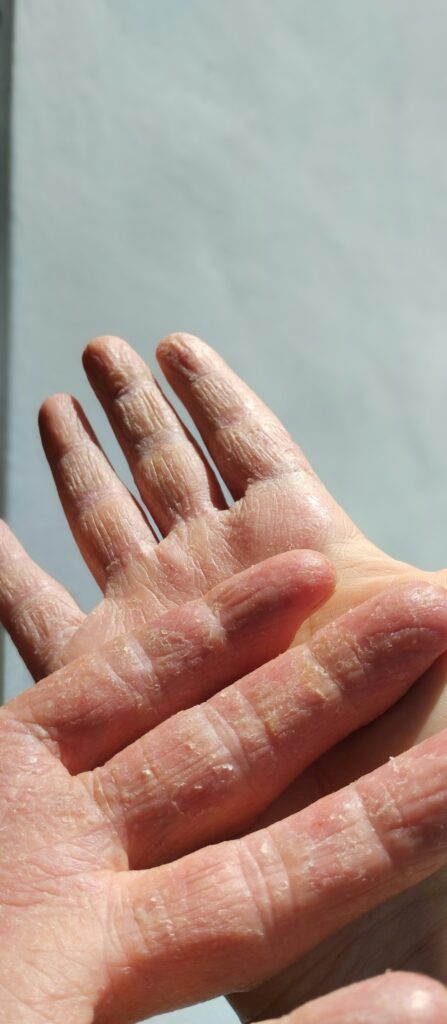
Dry skin, medically referred to as xerosis, is a common skin condition characterized by a lack of moisture in the outer layer of the skin, leading to feelings of tightness, irritation, and flaking. It can occur at any age and may affect people differently based on various factors, including climate, individual skin type, and lifestyle choices.
There are numerous causes of dry skin. Environmental factors play a significant role, as exposure to cold weather, low humidity, and harsh winds can strip the skin of its natural moisture. Additionally, spending extended periods in heated environments during colder months can exacerbate the condition. This type of dry skin is often temporary and may improve with the appropriate skin care regimen.
Other contributing factors include excessive washing with harsh soaps or hot water, which can remove natural oils from the skin. Skin conditions such as eczema, psoriasis, and dermatitis can also lead to persistent dryness. Notably, certain health conditions like diabetes and hypothyroidism can further increase susceptibility to dry skin.
Common symptoms associated with dry skin include itching, redness, scaling, and cracked skin. In severe cases, dry skin may lead to inflammation and bleeding. Identifying dry skin can often be straightforward, particularly when these symptoms present themselves after environmental changes or the introduction of new skin products. Recognizing and understanding dry skin is critical since maintaining skin hydration is essential for overall skin health.
Proper hydration is vital, as it helps retain skin elasticity and barrier function. Without adequate moisture, the skin becomes more susceptible to irritation and may lead to other health complications. Therefore, developing a routine that includes moisturizing products can be beneficial for those struggling with dry skin.
The Importance of Nighttime Skin Care
Nighttime skin care is a crucial element in maintaining skin health, particularly for those struggling with dry skin. During sleep, the skin undergoes a natural repair process, making it an optimal time to apply moisturizing and healing treatments. While we rest, our bodies work to repair damage, rejuvenate skin cells, and restore hydration levels, which makes the overnight hours particularly beneficial for skin recovery.
As the day comes to a close and the world quiets down, the skin takes advantage of this period of rest to enhance its barrier function. The skin’s epidermis becomes more permeable at night, allowing for increased absorption of topical treatments. This is why using serums, creams, and oils formulated specifically for nighttime application can be particularly effective in combating dry skin.
Moreover, certain ingredients known for their moisturizing properties, such as hyaluronic acid, glycerin, and natural oils, can penetrate deeper while skin turnover accelerates at night. By incorporating these ingredients into your nighttime routine, you can significantly improve skin hydration levels and promote a more luminous complexion by morning.
Also, a consistent nighttime skin care regimen fosters an environment conducive to optimal moisture retention. Applying a nourishing moisturizer before bed not only helps seal in hydration but also protects the skin from overnight moisture loss. This layer of hydration is especially important for individuals with dry skin, as it helps to combat the environmental factors that contribute to dryness.
Thus, integrating a dedicated nighttime skin care routine can significantly enhance the skin’s natural repair processes and allow enhancements to occur in both texture and appearance. Adopting this practice can lead to noticeable improvements in skin health, making nightly care a vital aspect of managing dry skin effectively.
Effective Natural Ingredients for Dry Skin
When it comes to treating dry skin, natural ingredients provide an array of benefits that can significantly improve skin hydration and overall health. Among the most effective natural ingredients are honey, aloe vera, coconut oil, and avocado. Each of these ingredients is known for its unique properties that support moisture retention and skin repair.
Honey is renowned for its humectant qualities, meaning it has the ability to attract and retain moisture from the environment. This natural ingredient not only soothes irritated skin but also provides healing properties due to its antibacterial nature, making it an excellent choice for overnight treatments.
Aloe vera, another powerhouse in the realm of natural skincare, is famous for its soothing, anti-inflammatory properties. Rich in vitamins and enzymes, aloe vera can deeply hydrate the skin while also promoting the regeneration of skin cells. Applying aloe vera gel before bedtime can leave the skin feeling soft and rejuvenated come morning.
Coconut oil is a versatile moisturizer, packed with fatty acids that penetrate the skin and provide long-lasting hydration. It acts as an occlusive agent, forming a barrier that locks in moisture and prevents dryness. Regular use of coconut oil can also enhance the skin’s natural lipid barrier, which is pivotal in maintaining skin’s suppleness and elasticity.
Avocado is another exceptional ingredient noted for its moisturizing properties due to its high fat content. It contains vitamins A, D, and E, which nourish the skin, promote healing, and support the production of collagen. Incorporating avocado oil into your nighttime routine can offer skin the hydration it craves, ensuring that you wake up with a glowing complexion.
DIY Overnight Masks for Dry Skin
Using homemade masks for dry skin can be an effective and natural way to hydrate and rejuvenate the skin overnight. Here are a few simple recipes featuring easily accessible ingredients that will help alleviate dryness and promote a healthy complexion.
1. Avocado and Honey Mask
Avocado is rich in fatty acids and vitamins, making it an excellent choice for moisturizing dry skin. To prepare, mash half an avocado and mix it with one tablespoon of honey. Honey has natural humectant properties, meaning it draws moisture to the skin.
Apply the mask evenly to your face, avoiding the eye area. Leave it on for about 15-20 minutes before rinsing with warm water. This mask should be applied once or twice a week for optimal results.
2. Yogurt and Olive Oil Mask
This mask harnesses the hydrating properties of yogurt, which contains lactic acid that exfoliates and softens the skin. Combine two tablespoons of plain yogurt with one tablespoon of olive oil for an additional moisture boost. Olive oil is known for its emollient properties.
Gently massage the mixture onto your skin and let it sit for 30 minutes. Rinse off with lukewarm water. This mask can be utilized a couple of times a week to help combat dryness effectively.
3. Banana and Oatmeal Mask
The combination of banana and oatmeal works wonders for dry skin. Bananas are rich in potassium and vitamins, nourishing the skin, while oatmeal soothes irritation and provides a barrier. Blend one ripe banana with two tablespoons of oatmeal and a splash of water to create a paste.
Apply the mask to your face, relax for 20-30 minutes, then rinse with warm water. This recipe is particularly beneficial for those dealing with sensitive or dry skin.
Using these DIY overnight masks can contribute to healthier skin by providing necessary moisture and nourishment. With consistent application, you may notice improved skin texture and hydration.
Hydration Tips Before Bed
Preparing the skin for overnight hydration is essential to ensuring it remains nourished and rejuvenated. The first step in this process is to cleanse the face thoroughly. Using a gentle cleanser, free from harsh chemicals or fragrances, will help remove impurities that can interfere with hydration. A clean slate allows the skin to better absorb the ingredients from subsequent products applied before bedtime.
After cleansing, consider incorporating a gentle exfoliation into your nighttime routine once or twice a week. Exfoliating helps to remove dead skin cells, allowing for improved product penetration. Opt for a mild exfoliant that contains natural ingredients such as sugar or oatmeal, which provide a less abrasive option for sensitive skin. This step prepares the skin, enhancing its ability to retain moisture effectively during the night.
Following exfoliation, the use of a toner can significantly benefit hydration efforts. A suitable toner, preferably one that contains natural humectants like glycerin or aloe vera, not only restores pH balance but also locks in moisture. Apply the toner on a cotton pad and sweep it across the face gently. This essential step helps to create a hydrating barrier that will work in conjunction with the moisturizers to follow.
Complete the night routine by applying a rich moisturizer or nourishing overnight mask, focusing on areas prone to dryness. Ingredients such as hyaluronic acid, ceramides, or natural oils can provide intensive hydration and replenish the skin while you sleep. By following these hydration tips, you increase the chances of waking up with soft, plump skin, ready to face the day.
Lifestyle Changes for Better Skin Health
To enhance skin hydration and overall health, adopting certain lifestyle changes is essential. One of the most significant factors is dietary adjustments. A diet rich in essential fatty acids, vitamins, and antioxidants can profoundly impact skin health. Including foods such as avocados, walnuts, salmon, and olive oil in your meals can help maintain skin’s moisture levels. Additionally, incorporating a variety of fruits and vegetables into your daily intake can provide the necessary vitamins that support skin repair and hydration.
Hydration is another critical element in achieving healthy skin. Drinking an adequate amount of water throughout the day keeps the skin cells well-hydrated from the inside out. It is advisable to aim for at least eight glasses of water each day, though individual needs may vary based on factors such as activity level and climate. Herbal teas and naturally hydrating foods, such as cucumbers and watermelon, can also contribute to overall hydration.
Moreover, it is important to consider the impact of cleansing routines on skin health. Many individuals use harsh soaps that strip away natural oils, exacerbating dryness. Opting for mild, moisturizing cleansers can foster a healthier skin barrier. Additionally, limiting exposure to hot water during showers is recommended, as prolonged hot showers can lead to increased dryness. Instead, lukewarm water is a better alternative for cleansing.
Lastly, maintaining a humid environment, particularly in winter months when heating systems can dry out indoor air, can also be beneficial. Using a humidifier in living spaces can help retain moisture in the air, which can directly support skin hydration. By making these lifestyle adjustments, individuals can significantly improve their skin health, reducing dryness and enhancing overall skin appearance over time.
How to Establish a Nighttime Routine
Creating a consistent nighttime skincare routine is essential for treating dry skin naturally overnight. An effective routine helps nourish and hydrate the skin, allowing it to recover while we sleep. Follow these steps to establish an appropriate regimen that includes essential treatments and lifestyle changes.
First, begin with a gentle cleanser to remove any dirt, makeup, or impurities accumulated throughout the day. Opt for a non-stripping, hydrating formula that does not disrupt the skin’s natural moisture barrier. After cleansing, consider applying a toner that contains soothing ingredients like rose water or witch hazel. This will help balance the skin’s pH levels and prepare it for subsequent treatments.
Next, apply a hydrating serum packed with ingredients such as hyaluronic acid, which can attract moisture and enhance skin hydration. Focus on areas of your face that are particularly prone to dryness. Allow the serum to absorb thoroughly for a couple of minutes before moving on to the next step.
Following the serum, choose a rich moisturizer or cream designed specifically for dry skin. Look for formulations that include natural oils, such as jojoba or almond oil, and occlusives like shea butter, which can lock in moisture overnight. Consider applying a thicker layer or overnight mask if your skin feels extra parched.
In addition to topical treatments, consider incorporating relaxing activities into your nighttime routine. Activities such as reading, meditation, or gentle stretching can help reduce stress, which ultimately benefits your skin. Aim for a consistent bedtime that allows for at least seven to eight hours of sleep, as this promotes skin repair and rejuvenation.
By following these steps consistently, you will develop a nighttime skincare routine that aids in naturally treating dry skin while enhancing its overall health and appearance.
Common Mistakes to Avoid
Treating dry skin can often lead to a series of missteps that can exacerbate the condition instead of alleviating it. One of the most prevalent mistakes individuals make is over-exfoliating. While it is important to remove dead skin cells to allow for better absorption of moisturizers, excessively using scrubs or chemical exfoliants can strip the skin of its natural oils, which are crucial for maintaining hydration. Instead, it is advisable to limit exfoliation to once or twice a week and to choose gentle methods.
Another common pitfall is the use of harsh products that contain irritating ingredients, such as alcohol or strong fragrances. These components can lead to inflammation and further dryness, counteracting any efforts made to soothe and hydrate the skin. It is essential to opt for products specifically formulated for dry or sensitive skin, focusing on those that prioritize hydration and skin barrier protection.
Furthermore, neglecting to moisturize after cleansing is a critical mistake that many fail to recognize. Cleansing is a necessary step to remove impurities and excess oils; however, it can also deplete the skin’s moisture levels. Therefore, applying a suitable moisturizer immediately after cleansing helps to seal in moisture and supports the skin’s reparative processes overnight. Choosing a rich, emollient cream or an oil can be particularly beneficial, as these formulations are designed to provide lasting hydration.
In summary, to effectively manage and treat dry skin, it is vital to avoid common mistakes such as over-exfoliating, using harsh ingredients, and skipping moisturizer after cleansing. By refining your skincare routine and making informed product choices, you can significantly improve the condition of your skin.
Consultation and When to See a Professional
While many individuals can effectively manage dry skin through home remedies and natural treatments, there are instances when professional consultation is necessary. Identifying the signs of severe dry skin is a key step in preventing further complications and ensuring appropriate care.
If your dry skin is accompanied by significant discomfort, persistent itching, or redness that does not subside with over-the-counter moisturizers or natural treatments, it may indicate an underlying condition requiring attention from a dermatologist. Severe dryness could be symptoms of eczema, psoriasis, or contact dermatitis, which necessitate specialized treatments that are typically beyond the scope of home care.
Another crucial indicator that professional help is needed is when dry skin begins to crack or bleed. This signifies that the barrier function of the skin is compromised, increasing the risk of infections. In such cases, a dermatologist can provide targeted interventions to restore skin integrity and prevent further skin damage. Additionally, if dryness is accompanied by systemic symptoms such as fever or widespread itching, seeking medical advice promptly is advisable.
Individuals with chronic conditions, such as diabetes or autoimmune diseases, should also be vigilant about their skin health. Dry skin can be a common complication associated with these conditions; thus, any significant changes or persistence of symptoms should be discussed with a healthcare provider.
In summary, while many cases of dry skin can be effectively treated naturally overnight, being aware of the signs that warrant professional consultation is crucial. Early intervention can not only alleviate symptoms but also improve overall skin health, preventing more serious conditions from developing.