Understanding Extremely Dry Skin

Extremely dry skin is a condition characterized by a lack of moisture in the outer layer of the skin, leading to discomfort and visible flakiness. Unlike other skin conditions such as eczema or psoriasis, which may also involve inflammation and redness, extremely dry skin primarily manifests through tightness, itchiness, and sometimes cracking. This condition can affect individuals regardless of age or skin type, but certain factors can make some people more susceptible.
Environmental influences play a significant role in the development of extremely dry skin. For instance, colder climates with low humidity can strip the skin of moisture, while prolonged exposure to central heating or air conditioning may exacerbate these effects. Furthermore, excessive sun exposure can damage the skin’s moisture barrier, contributing to dryness.
Lifestyle choices are another critical factor that can lead to extremely dry skin. Frequent use of harsh soaps or cleansing agents can disrupt the skin’s natural oils. Inadequate hydration, whether from insufficient water intake or excessive consumption of dehydrating beverages like caffeinated drinks, can also leave skin parched. Additionally, long, hot showers may feel soothing but can further deplete the skin’s moisture levels.
Underlying health conditions may also contribute to the severity of dry skin. Conditions such as hypothyroidism, diabetes, and other hormonal imbalances can impair the skin’s ability to retain moisture. Moreover, certain medications, such as those used to treat acne, can lead to increased dryness as a side effect.
In summary, understanding the multifaceted nature of extremely dry skin is vital for implementing effective treatment strategies. By identifying the various environmental, lifestyle, and health-related factors that contribute to this condition, individuals can take proactive steps to manage and alleviate their symptoms.
The Importance of Choosing Natural Remedies
When addressing the challenge of extremely dry skin on the face, the choice of treatment plays a significant role in achieving effective results. One increasingly popular option is the use of natural remedies, which can serve as a more suitable alternative to conventional, chemical-based products. Opting for natural ingredients can provide a multitude of benefits, making them an enticing option for those seeking to enhance their skincare routine.
One of the primary advantages of using natural remedies is their gentleness on the skin. Unlike synthetic ingredients often found in commercial skincare products, natural substances tend to have fewer harsh chemicals that may irritate the skin. This gentleness becomes especially crucial for individuals with highly sensitive skin or allergy-prone conditions, where reactions to artificial chemicals can result in adverse effects. By utilizing natural ingredients, individuals can minimize the risk of experiencing irritations and promote a healthier skin environment.
Additionally, natural remedies often come with nourishing properties that can rejuvenate and hydrate the skin. Many natural ingredients, such as essential oils, plant extracts, and botanical oils, are rich in vitamins, minerals, and antioxidants. These elements not only help to hydrate dry skin but also support the skin’s overall health, leading to a more vibrant and glowing complexion. The inherent properties of these natural ingredients enable them to repair and strengthen the skin barrier, thus enhancing moisture retention and reducing dryness.
Moreover, choosing natural remedies can contribute to a more sustainable and environmentally friendly skincare routine. Many commercial products rely on petrochemicals and artificial preservatives, which can have adverse effects on the environment. Conversely, natural ingredients are often sourced from sustainable practices, making them a more responsible choice for consumers who are concerned about the ecological impact of their beauty regime.
Essential Oils for Hydration
Essential oils have gained recognition for their remarkable ability to hydrate and nourish extremely dry skin on the face. Among the most popular essential oils used for this purpose are lavender, tea tree, and geranium, each offering unique benefits to the skin.
Lavender essential oil is particularly well-known for its soothing properties. It possesses anti-inflammatory and antioxidant characteristics, making it a suitable choice for calming irritated skin. To use lavender oil for hydration, diluting it with a carrier oil, such as jojoba or coconut oil, is essential. Typically, a ratio of 3-5 drops of lavender oil per tablespoon of carrier oil is recommended. This mixture can be gently massaged onto clean, dry skin to provide much-needed moisture and tranquility.
Tea tree oil, while primarily known for its antibacterial properties, can also be beneficial for dry skin. It helps to not only hydrate but also to combat skin blemishes that can occur alongside dryness. However, due to its potency, tea tree oil should be diluted more cautiously, often at a ratio of one drop to one teaspoon of carrier oil. This careful dilution ensures safe application, allowing the skin to absorb the beneficial properties without causing irritation.
Geranium essential oil is another excellent choice for dry skin, contributing to overall skin health. It functions by helping to balance oil production and enhance skin elasticity. When utilizing geranium oil, a dilution of 3-5 drops per tablespoon of carrier oil is again advisable. Applying this blend to areas of concern can nourish the skin and promote a more radiant appearance.
In summary, incorporating these essential oils into a skincare routine can enhance hydration for extremely dry skin. Their unique properties not only provide moisture but also create a soothing and pleasant experience, crucial for maintaining healthy skin.
Natural Moisturizing Ingredients
When seeking solutions for extremely dry skin on the face, embracing natural moisturizing ingredients can offer significant benefits. Four of the most effective natural remedies include aloe vera, honey, coconut oil, and shea butter, each bringing unique properties that enhance skin hydration.
Aloe vera is renowned for its soothing and moisturizing capabilities. The gel extracted from the aloe vera plant is rich in vitamins, minerals, and antioxidants, which help to rejuvenate dry skin. To utilize aloe vera effectively, apply the fresh gel directly onto the affected areas and leave it for about 15-20 minutes before rinsing with lukewarm water. This not only moisturizes but also helps in reducing inflammation and irritation.
Honey, another remarkable natural moisturizer, possesses humectant properties, drawing moisture into the skin. It is also known for its antibacterial qualities, making it an excellent ingredient for dry skin treatments. A simple yet effective way to use honey is to create a honey mask. Simply apply a thin layer of raw honey on the face and leave it on for 20-30 minutes. Rinse with warm water for a soft and hydrated complexion.
Coconut oil is lauded for its rich fatty acid content, which helps to retain moisture and soothe irritated skin. It can be massaged directly onto the dry areas of the face. For optimal results, consider incorporating it into your nightly skincare routine, allowing it to work overnight. Moreover, due to its natural composition, coconut oil also provides a protective barrier for the skin.
Lastly, shea butter is widely recognized for its deep moisturizing properties. Packed with vitamins A and E, shea butter nourishes and hydrates the skin while supporting its natural barrier function. To effectively use shea butter, warm a small amount between your fingers and gently massage it into the face, focusing on particularly dry spots.
Combining these ingredients in DIY recipes can further enhance their effectiveness. For instance, mixing honey and aloe vera can create a soothing mask, while blending coconut oil and shea butter results in a rich moisturizer suitable for daily use. Utilizing these natural ingredients can significantly improve the moisture levels and overall health of extremely dry facial skin.
Dietary Changes to Improve Skin Hydration
Your diet plays a crucial role in determining the hydration levels of your skin. Consuming foods that are rich in water content, omega-3 fatty acids, antioxidants, and essential vitamins can significantly enhance skin moisture. Incorporating hydrating foods into your daily meals can help combat the effects of extremely dry skin on the face.
Omega-3 fatty acids, found in fish such as salmon, walnuts, and flaxseeds, are particularly beneficial. They help bolster the skin barrier, allowing it to retain moisture more effectively. Moreover, these fatty acids possess anti-inflammatory properties, which can further support skin health. Including a variety of these foods in your diet can assist in keeping your skin supple and well-hydrated.
Antioxidant-rich foods, including berries, green leafy vegetables, and nuts, also play a significant role in skin hydration. These foods protect against oxidative stress, which can damage skin cells and exacerbate dryness. Vitamins, especially vitamin E and vitamin C, are essential for maintaining skin health. Foods such as sweet potatoes, avocados, and citrus fruits provide these vital nutrients, contributing to improved skin hydration.
In addition to promoting skin-friendly foods, staying hydrated is paramount. Drinking sufficient water throughout the day aids in maintaining skin moisture from within. Aim to consume at least eight glasses of water daily, and consider herbal teas or water-rich fruits and vegetables like cucumbers and oranges for extra hydration.
On the flip side, it is advisable to limit the intake of processed foods, high sugar items, and excessive caffeine, as these can dehydrate the skin. By making thoughtful dietary choices and focusing on hydrating foods, you can enhance the moisture levels of your skin, combating the discomfort associated with extremely dry skin on the face.
Hydration from the Inside Out
Proper hydration is crucial for maintaining healthy skin, particularly for those struggling with extremely dry skin on the face. When the body is adequately hydrated, it helps support the skin’s elasticity, suppleness, and overall appearance. A general guideline is to consume at least eight 8-ounce glasses of water each day, commonly referred to as the “8×8 rule.” However, individual hydration needs may vary based on factors such as body weight, physical activity, and environmental conditions.
In addition to plain water, incorporating herbal teas into your daily routine can further enhance hydration. Herbal teas like chamomile, peppermint, and rooibos are not only soothing but also rich in antioxidants, which can contribute to skin health. These beverages provide hydration while also delivering nutrients that can combat oxidative stress in the skin.
It is also important to be mindful of the beverages that can negatively affect skin moisture. For instance, excessive consumption of caffeinated drinks such as coffee and traditional sodas can lead to dehydration. Alcohol can have a similar effect by causing the body to lose fluids more rapidly, leading to an increase in skin dryness. Opting for herbal or decaffeinated alternatives can ensure adequate hydration.
Additionally, foods with high water content, such as cucumbers, melons, and oranges, can complement hydration efforts. They not only contribute liquid to the body but also provide essential vitamins and minerals that support skin health. Overall, maintaining proper hydration through a variety of drinks and hydrating foods is a foundational element for achieving and sustaining moisture in dry facial skin.
Homemade Masks for Extreme Dryness
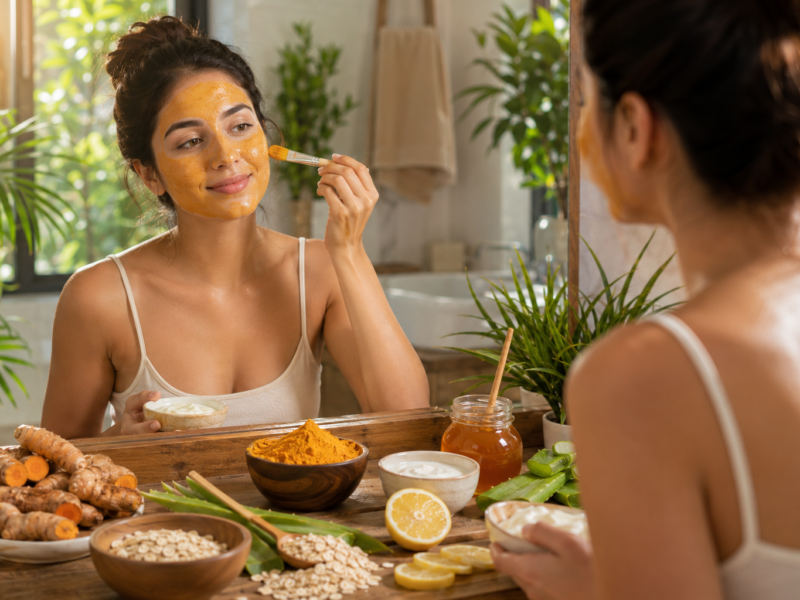
Homemade face masks can be a soothing and effective way to combat extremely dry skin, providing hydration and nourishment from natural ingredients. Below are several recipes that utilize common ingredients known for their hydrating properties.
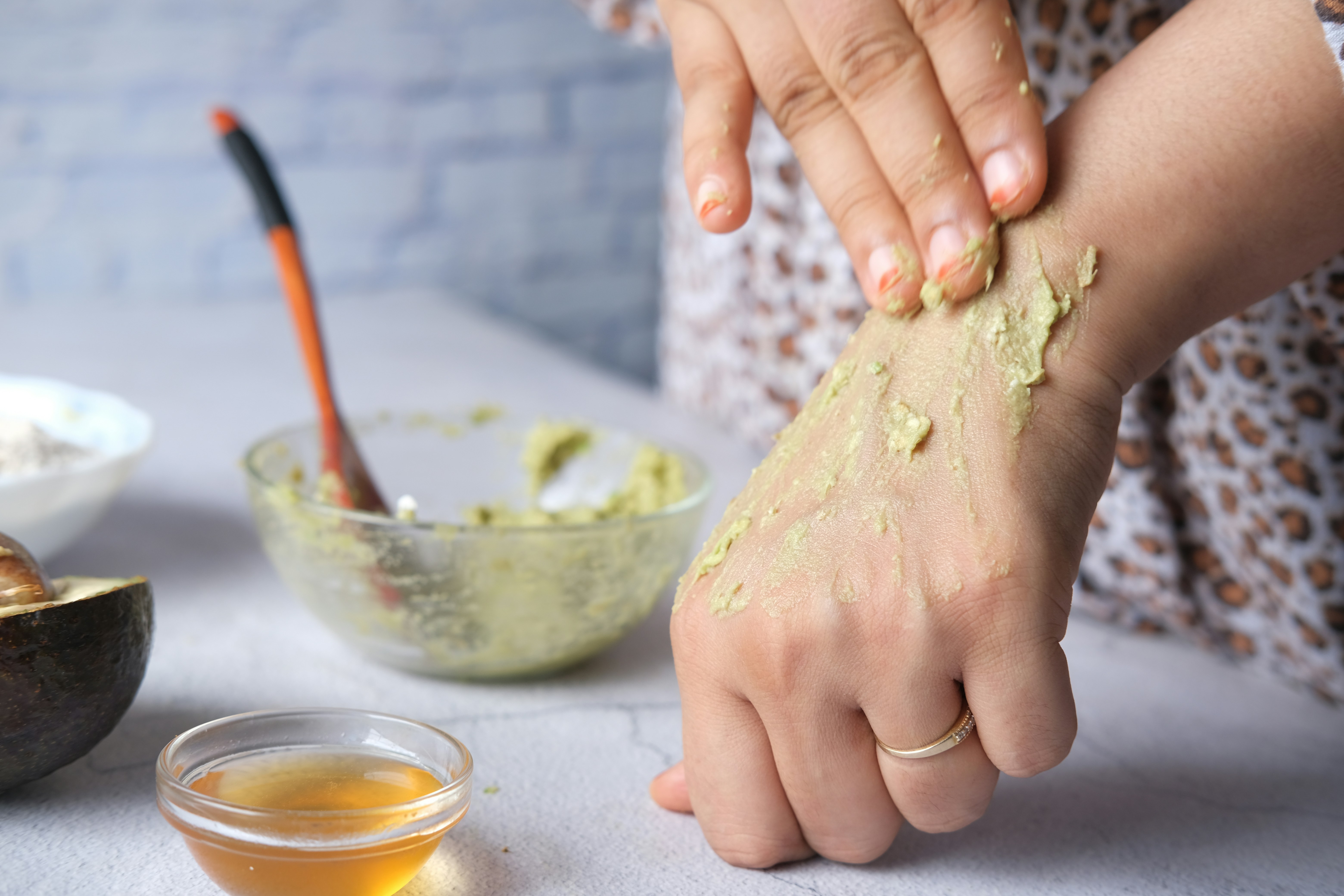
Avocado and Honey Mask: This mask is rich in healthy fats and antioxidants. To create it, mash half an avocado and mix it with 1 tablespoon of honey. Apply the mixture to your face and leave it on for 15-20 minutes before rinsing with warm water. Avocado is highly moisturizing, while honey acts as a natural humectant, drawing moisture into the skin.
Oatmeal and Yogurt Mask: Oatmeal is known for its soothing properties, making it ideal for irritated skin. For this mask, combine 2 tablespoons of plain yogurt with 1 tablespoon of ground oatmeal. Mix well and apply it to your face, allowing it to sit for 10-15 minutes before rinsing off. Yogurt contains lactic acid that can also help to exfoliate and promote moisture retention.
Banana and Coconut Oil Mask: Rich in vitamins and nutrients, bananas help to hydrate and soften the skin. To make this mask, mash one ripe banana and mix it with 1 tablespoon of coconut oil. Apply the mixture to your face and let it sit for approximately 20 minutes. Rinse with warm water to reveal softer, hydrated skin. Coconut oil adds an additional layer of moisture, which is beneficial for dry areas.
Aloe Vera and Olive Oil Mask: Aloe vera is celebrated for its healing and hydrating properties. To prepare, mix 2 tablespoons of fresh aloe vera gel with 1 tablespoon of olive oil. This combination creates a powerful hydrating mask that can reduce dryness. Leave it on your skin for about 30 minutes before rinsing. The olive oil will provide a protective barrier to lock in moisture.
These homemade masks can be incorporated into a regular skincare routine, ideally used once or twice a week, to alleviate the symptoms of extreme dryness and promote a healthier, more hydrated complexion.
Preventative Measures for Healthy Skin
Maintaining healthy skin requires consistent habits and routines that effectively prevent dryness. One of the primary steps is establishing a proper skincare routine tailored to your skin type. Cleansing should be gentle, using a mild, hydrating cleanser that does not strip the skin of its natural oils. Following cleansing, the application of a nourishing moisturizer is paramount. Look for creams that contain ingredients such as hyaluronic acid, glycerin, or ceramides, which help in retaining moisture.
In addition to an effective skincare regimen, paying attention to environmental factors is crucial. Humidity levels can greatly affect skin health; consequently, using a humidifier in dry climates or heated indoor environments can help maintain adequate moisture in the air, thus preventing the skin from drying out. Furthermore, during colder months, it is advisable to protect the skin from harsh winds by wearing appropriate clothing, such as scarves or high-collared jackets.
Lifestyle changes also play a significant role in skin health. Staying adequately hydrated by drinking plenty of water throughout the day is essential. A well-balanced diet rich in essential fatty acids, vitamins, and antioxidants can contribute to skin vitality; incorporating foods like avocados, fatty fish, nuts, and leafy greens nourishes the skin from the inside out. Additionally, minimizing exposure to hot water during showers can help maintain the skin’s natural moisture barrier.
Avoiding prolonged exposure to harsh soaps and limiting the use of alcohol-based products can also prevent irritation and dryness. Lastly, making a conscious effort to manage stress through mindfulness practices or gentle exercise contributes to overall skin health. By integrating these preventative measures into daily life, individuals can significantly reduce the risk of developing extremely dry skin on their face.
When to Consult a Dermatologist
For individuals struggling with extremely dry skin on the face, recognizing when to seek professional help is crucial. While many cases of dry skin can be managed with over-the-counter treatments and natural remedies, there are specific signs indicating that a consultation with a dermatologist is warranted. If dry patches persist despite consistent skincare efforts, worsen over time, or are accompanied by other symptoms such as redness, swelling, or flaking, it is advisable to seek expert advice. Moreover, if the dry skin is affecting daily life, causing discomfort or embarrassment, this reinforces the necessity for professional intervention.
During a dermatological consultation, individuals can expect a thorough evaluation of their skin condition. The dermatologist will often begin by taking a detailed medical history, which includes inquiries about lifestyle factors, skincare routines, and any underlying health issues. An examination of the affected areas will follow, enabling the dermatologist to assess the severity and possible causes of the dryness. Based on their findings, they may recommend a range of treatments tailored to the individual’s specific needs. This could include prescription topical ointments or creams designed to provide deeper hydration and barrier protection.
In some instances, a dermatologist may identify underlying skin conditions such as eczema or psoriasis, which could be contributing to excessive dryness. Treatments for these conditions may include medicated creams or a regimen that incorporates more specialized procedures, such as light therapy. Other recommendations could involve lifestyle changes, including alterations to diet or the introduction of specific moisturizers that better suit the individual’s skin type.