Healthy, shiny hair is a goal for many people, but hair breakage can make it difficult to achieve. Constant styling, heat exposure, poor nutrition, and improper hair care often weaken the hair shaft, leading to split ends and brittle strands. Fortunately, learning How to Stop Hair Breakage Naturally can help restore your hair’s strength without relying on expensive treatments.
Natural hair care focuses on protecting your hair from damage while nourishing it from root to tip. By making small changes to your daily routine, you can reduce breakage, improve hair texture, and encourage healthier growth over time.
In this guide, you’ll discover the common causes of hair breakage and the best natural ways to prevent it.
What Causes Hair Breakage?
Hair breakage occurs when the hair shaft becomes weak and snaps before reaching its full length. Unlike hair shedding, which happens naturally from the root, breakage occurs along the hair strand.
Some common causes include:
- Frequent heat styling
- Chemical treatments
- Excessive brushing
- Tight hairstyles
- Dry hair and lack of moisture
- Nutritional deficiencies
- Rough towel drying
- Sun exposure
Understanding these factors is the first step in learning How to Stop Hair Breakage Naturally.
1. Keep Your Hair Moisturized
If you are wondering How to Stop Hair Breakage Naturally, keeping your hair moisturized is one of the most effective and affordable solutions.
Dry hair is one of the leading causes of breakage. Hair that lacks moisture becomes brittle and snaps easily.
Use lightweight natural oils such as:
- Coconut oil
- Argan oil
- Jojoba oil
- Sweet almond oil
Apply a small amount to the mid-lengths and ends of your hair to lock in moisture without making your scalp oily.
2. Wash Hair with a Gentle Shampoo
Harsh shampoos can strip your scalp of its natural oils, leaving hair dry and fragile.
Choose sulfate-free shampoos that cleanse gently while maintaining the hair’s natural moisture balance. Washing your hair two to three times per week is often enough for most hair types.
Using gentle cleansing products supports your efforts when learning How to Stop Hair Breakage Naturally.
3. Avoid Excessive Heat Styling
Reducing heat damage is an important step in learning How to Stop Hair Breakage Naturally and protecting your hair from future damage.
Hair dryers, curling irons, and straighteners expose your hair to high temperatures that weaken protein bonds.
If you must use heat:
- Apply a heat protectant.
- Keep temperatures below 180°C (356°F).
- Limit heat styling to a few times per week.
Allowing your hair to air dry whenever possible significantly reduces damage.
4. Trim Split Ends Regularly
Split ends continue traveling upward if left untreated, resulting in more breakage.
Getting a trim every six to eight weeks helps maintain healthier hair while preventing further damage.
Regular trims do not speed up hair growth, but they help preserve hair length by reducing breakage.
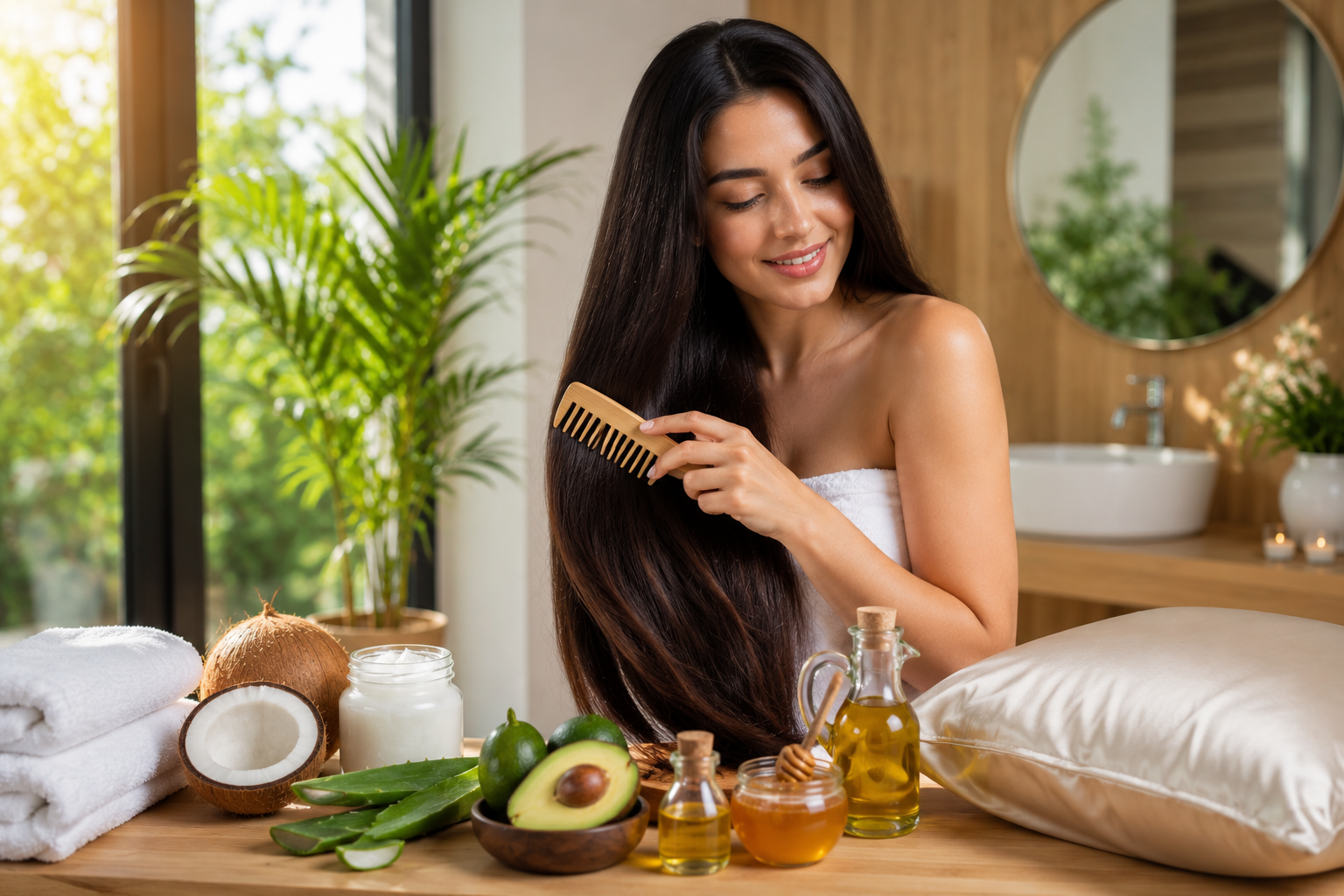
5. Use a Wide-Tooth Comb
Wet hair is especially vulnerable because it stretches more easily.
Instead of using a fine brush immediately after washing:
- Gently remove tangles with a wide-tooth comb.
- Start from the ends.
- Work upward slowly.
This simple habit greatly reduces unnecessary stress on your hair.
6. Eat a Nutrient-Rich Diet
Healthy hair begins with proper nutrition.
Include foods rich in:
- Protein
- Iron
- Zinc
- Biotin
- Vitamin D
- Omega-3 fatty acids
Eggs, fish, nuts, spinach, berries, and beans all support stronger hair growth.
Good nutrition plays an essential role in How to Stop Hair Breakage Naturally because healthy follicles produce stronger hair.
7. Avoid Tight Hairstyles
High ponytails, tight buns, and tightly braided hairstyles constantly pull on hair strands.
Instead, choose loose hairstyles that reduce tension.
Soft fabric scrunchies are also gentler than traditional elastic bands.
8. Sleep on a Silk Pillowcase
Cotton pillowcases create friction while you sleep, causing tangles and breakage.
Silk or satin pillowcases allow hair to glide smoothly, reducing friction and helping retain moisture.
Many people notice smoother, shinier hair after making this simple switch.
9. Apply Natural Hair Masks
Weekly hair masks provide deep hydration and nourishment.
Popular natural ingredients include:
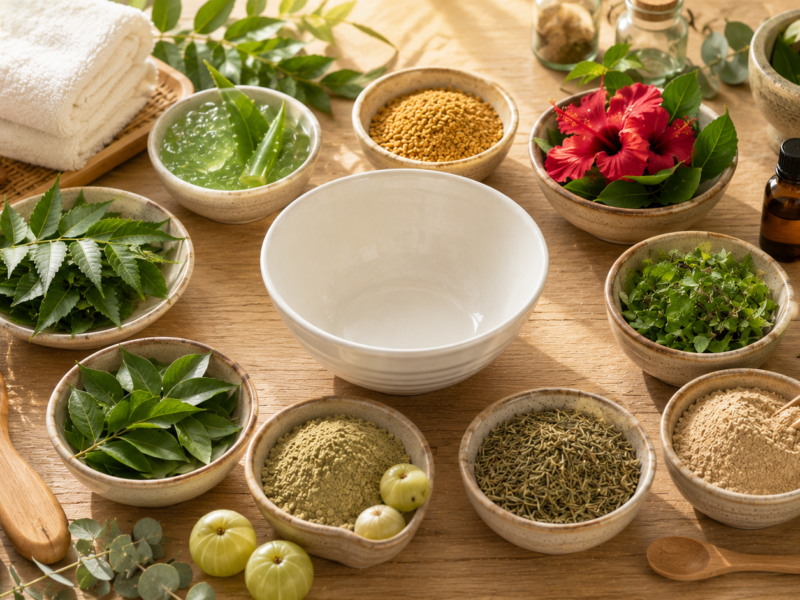
- Aloe vera gel
- Honey
- Yogurt
- Avocado
- Banana
- Olive oil
Leave the mask on for about 20 minutes before rinsing thoroughly.
Natural treatments help strengthen hair without exposing it to harsh chemicals.
10. Protect Hair from Environmental Damage
Sunlight, pollution, and strong winds can weaken hair over time.
Protect your hair by:
- Wearing a hat outdoors.
- Using UV-protective hair products.
- Rinsing your hair after swimming in chlorinated pools.
These habits help preserve healthy hair throughout the year.
11. Massage Your Scalp
Scalp massage improves blood circulation, which may support healthier hair follicles.
Massage your scalp gently for five minutes several times a week using your fingertips or a small amount of natural oil.
This relaxing habit also helps distribute natural scalp oils throughout the hair.
12. Stay Hydrated
Water supports healthy skin, scalp, and hair.
Aim to drink enough water throughout the day to maintain proper hydration.
Combined with a nutritious diet, hydration supports stronger, healthier hair from within.
Common Mistakes That Increase Hair Breakage
Avoid these habits if you want healthier hair:
- Brushing aggressively
- Using excessive heat
- Skipping conditioner
- Washing with very hot water
- Sleeping with wet hair
- Overusing chemical treatments
Replacing these habits with healthier alternatives makes it easier to maintain stronger hair.
Frequently Asked Questions
Can natural remedies repair damaged hair?
Natural remedies cannot permanently repair damaged hair, but they can improve moisture, reduce breakage, and help protect healthy new growth.
How long does it take to reduce hair breakage?
Many people notice healthier hair within four to eight weeks after adopting a consistent hair care routine.
Does coconut oil prevent hair breakage?
Yes. Coconut oil helps reduce protein loss in hair, making strands stronger and less likely to break.
Should I oil my hair every day?
Daily oiling is unnecessary for most people. Applying natural oil once or twice a week is usually enough to nourish the hair without creating buildup.
For more expert guidance on maintaining healthy hair and preventing damage, visit the American Academy of Dermatology Hair Care Tips.