Understanding Hair Fall: Causes and Effects
Hair fall, also known as alopecia, can stem from a multitude of causes, each impacting individuals differently. One of the primary factors contributing to hair loss is genetic predisposition, often manifesting as androgenetic alopecia. This hereditary condition can affect both men and women, leading to progressive thinning and baldness over time.
Hormonal changes also play a significant role in hair fall. Conditions such as pregnancy, menopause, and hormonal imbalances can disrupt the hair growth cycle, resulting in increased shedding. Notably, androgens, male hormones that are present in both genders, can contribute to follicle miniaturization, further exacerbating hair thinning.
Nutritional deficiencies are another critical factor impacting hair health. Inadequate intake of essential nutrients, such as iron, protein, zinc, and vitamins A and D, can hinder the hair’s growth. A well-balanced diet is crucial for sustaining healthy hair, as these nutrients support various biological processes, including the formation of hair follicles.
Stress is a commonly overlooked cause of hair fall. Emotional or physical stress can lead to conditions such as telogen effluvium, where hair prematurely enters the shedding phase. Chronic stress can disrupt the hormonal balance, further worsening the condition of hair.
Environmental factors, including pollution, toxins, and excessive sun exposure, can damage hair strands and inhibit healthy hair growth. The cumulative effect of these elements can lead to significant hair loss over time.
Moreover, the psychological and emotional effects of hair loss can be profound. Many individuals experience lowered self-esteem and increased anxiety, contributing to a cycle of stress-related hair loss. Understanding the multifaceted nature of hair fall is vital for addressing the issue comprehensively, recognizing that it extends beyond mere aesthetics to encompass one’s overall well-being.
Importance of Natural Remedies
In the realm of hair care, natural remedies offer a myriad of advantages, particularly for those experiencing hair fall. One of the most prominent benefits is the gentleness of these solutions. Unlike chemical-based treatments that may contain harsh ingredients leading to potential side effects, natural remedies primarily use ingredients derived from plants that are usually free of synthetic additives. This gentleness ensures that the scalp and hair follicles are not only relieved of the symptoms of hair fall but are also nurtured, leading to healthier hair growth.
Accessibility also plays a significant role in the preference for natural remedies. Many ingredients used in these treatments, such as coconut oil, aloe vera, and essential oils, can be easily sourced from local markets or even found in one’s pantry. This ease of availability means that individuals can tend to their hair without the need for expensive salon treatments or specialized products, making it a more sustainable choice.
Furthermore, the long-term health benefits associated with natural hair care should not be overlooked. Regular use of natural ingredients encourages not only the restoration of hair’s health but also strengthens its resilience against damage. For instance, ingredients like rosemary oil and castor oil have been shown to improve circulation to the scalp, enabling essential nutrients to reach hair follicles more effectively. This holistic approach not only addresses the immediate concern of hair fall but also supports overall hair vitality.
In conclusion, embracing natural remedies to stop hair fall offers a path that is kind to both the hair and the environment. By opting for these organic solutions, individuals can enjoy the peace of mind that comes from knowing they are taking a gentle, accessible, and health-conscious approach to their hair care routine.
Dietary Changes to Promote Hair Health
The health of hair is closely linked to diet, making it essential to focus on the right nutrients to strengthen and promote growth. Incorporating various vitamins, minerals, and proteins into daily meals can significantly enhance hair vitality. A well-balanced diet can mitigate hair fall and improve overall hair condition.
One of the vital components for healthy hair is protein, as hair is primarily made up of a protein called keratin. Incorporating sources of lean protein like chicken, turkey, fish, beans, and legumes ensures that hair follicles receive the necessary building blocks for growth. Moreover, foods rich in iron, such as spinach, lentils, and red meat, are crucial as iron deficiency can lead to hair thinning.
Vitamins also play a significant role in hair health. For instance, Vitamin A promotes sebum production, which helps keep hair moisturized. Foods rich in Vitamin A include carrots, sweet potatoes, and dark leafy greens. Additionally, B-vitamins, particularly Biotin, have been demonstrated to promote hair growth. Incorporating eggs, nuts, and whole grains can supply these essential nutrients.
Another essential nutrient is Zinc, which assists in hair tissue growth and repair. Foods such as oysters, pumpkin seeds, and quinoa are excellent sources of zinc. To further enhance hair strength, Vitamins C and E can aid in collagen production and prevent oxidative stress, respectively. Citrus fruits, almonds, and strawberries are great inclusions for these vitamins.
Practical tips involve planning meals that combine these nutrient-dense foods. For instance, a breakfast of an omelet filled with spinach and accompanied by whole-grain toast or a smoothie made with strawberries, almond milk, and a scoop of protein powder can be both delicious and beneficial for hair health. By making informed dietary choices, individuals can promote stronger hair and reduce the likelihood of hair fall.
Essential Oils for Hair Fall Control
Essential oils have gained recognition for their potential benefits in promoting hair health and reducing hair fall. Among the most notable essential oils are rosemary, lavender, and peppermint oils. Each of these oils possesses unique properties that contribute to strengthening hair and stimulating growth.
Rosemary oil is revered for its ability to improve blood circulation in the scalp, which encourages hair growth. Additionally, it helps to prevent premature greying and dandruff, further improving overall hair quality. To use rosemary oil, dilute a few drops in a carrier oil, such as coconut or jojoba oil, and gently massage it into the scalp. This massage not only distributes the oil evenly but also enhances absorption, making it more effective.
Lavender oil, known for its calming fragrance, also has beneficial properties for hair health. It possesses antifungal and antibacterial characteristics, which help maintain scalp health and reduce hair fall. To incorporate lavender oil into your haircare routine, mix two to three drops with a carrier oil and apply it to the scalp, leaving it on for at least 30 minutes before washing it out. This method aids in relaxation while providing nourishment to the hair follicles.
Peppermint oil is another powerful essential oil that can invigorate the scalp and promote hair growth. Its menthol component stimulates circulation, thereby enhancing the delivery of nutrients to hair follicles. For application, combine a few drops of peppermint oil with a carrier oil and massage it onto the scalp. Consider leaving it on for a brief period, approximately 15 to 20 minutes, before rinsing to maximize its effects.
Incorporating these essential oils into your haircare routine, along with proper dilution and application methods, can significantly assist in controlling hair fall and promoting stronger, healthier hair. Remember to conduct a patch test before using any essential oil to ensure compatibility with your skin.
Natural Hair Masks for Strengthening Hair
Hair fall is a common concern that many individuals face, and using natural hair masks can help in strengthening hair and promoting its overall health. Such hair masks are easily made with everyday kitchen ingredients, boasting a plethora of benefits for the hair.
One of the most effective ingredients is egg. Rich in protein, egg masks can nourish the hair follicles and improve hair texture. To create a simple egg hair mask, whisk two eggs and apply the mixture evenly to your scalp and hair. Leave it on for 30 minutes before rinsing with a mild shampoo to reveal healthy, shiny hair.
Another excellent ingredient is yogurt. Packed with probiotics and vitamins, yogurt helps to condition the hair and scalp. To make a yogurt hair mask, combine one cup of yogurt with a tablespoon of honey for added moisture. Apply it to your hair and let it sit for at least 20 minutes; it will provide deep conditioning and promote hair strength.
Honey is also known for its moisturizing properties and can be used to enhance hair health. Mixing honey with coconut oil creates a nourishing mask. Simply blend two tablespoons of honey with two tablespoons of coconut oil, apply it to your hair, and let it sit for 30-40 minutes before rinsing. This mask helps to combat dryness and reduce hair fall.
Lastly, avocados are rich in healthy fats and vitamins that can stimulate hair growth. Mash one ripe avocado and mix it with a tablespoon of olive oil to enrich your hair mask. Apply the mixture to your hair and let it sit for 30 minutes before washing it out. Regular use of this mask aids in revitalizing damaged hair and improving its overall strength.
Herbal Remedies for Hair Fall
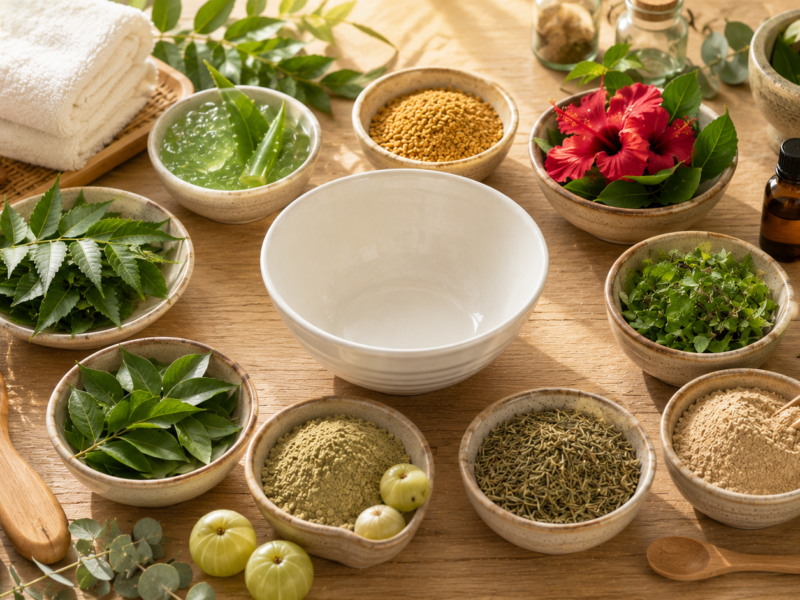
Herbal remedies have gained significant attention for their potential to mitigate hair fall and promote hair growth. Among these, three widely recognized options are aloe vera, hibiscus, and fenugreek. These plants are not only accessible but also rich in nutrients that support healthy hair.
Aloe vera is renowned for its soothing properties, which can help reduce scalp irritation and eliminate excess oil. To use aloe vera for hair fall, one can extract fresh gel from the leaves and apply it directly to the scalp. Allow it to sit for about 30 minutes before rinsing with lukewarm water. This treatment can be performed twice a week to help strengthen hair and reduce shedding.
Hibiscus flowers and leaves are potent allies in the battle against hair loss. They are packed with antioxidants and vitamins, which nourish hair follicles and enhance growth. To make a hibiscus hair mask, boil a handful of flowers in coconut oil until they become charred. Let the mixture cool, strain it, and then massage the oil into the scalp. This remedy not only tackles hair fall but also imparts a beautiful sheen to the hair. Regular use can lead to healthier, thicker hair.
Another effective herbal remedy is fenugreek, known for its high protein and nicotinic acid content, which are essential for hair strength. Soaking fenugreek seeds overnight and blending them into a paste can create a potent treatment. Apply this paste to the scalp and hair, leave it on for 30-40 minutes before rinsing with a mild shampoo. Using fenugreek regularly can help in revitalizing hair growth and combating hair loss significantly.
Incorporating these herbal remedies into one’s hair care routine can yield promising results over time. By employing natural ingredients like aloe vera, hibiscus, and fenugreek, patients experiencing hair fall can explore effective, healthy alternatives to commercial products.
Scalp Care: The Key to Healthy Hair Growth
Maintaining a healthy scalp is fundamental to promoting robust hair growth and preventing hair fall. The scalp acts as the foundation for hair follicles; therefore, its health critically influences the vitality of hair. Regular cleansing is essential to remove dirt, excess oil, and product buildup that can suffocate hair follicles. A gentle, sulfate-free shampoo is recommended to maintain the scalp’s natural moisture balance, ensuring it does not become overly dry or oily.
In addition to cleansing, exfoliation plays a crucial role in scalp health. Scalp scrubs or exfoliating masks can help eliminate dead skin cells and other impurities, thus promoting a clean and rejuvenated surface for hair follicles. It is advisable to exfoliate the scalp at least once a month, which can stimulate circulation and enhance nutrient delivery to the hair roots, contributing to stronger hair growth.
Moreover, hydration is vital for scalp health. A well-moisturized scalp reduces issues such as flakiness and irritation, which can, in turn, lead to hair loss. Natural oils, such as coconut, jojoba, or argan oil, can be used to nourish the scalp. These oils not only hydrate but also possess antibacterial properties, which can help in mitigating any scalp infections that might inhibit hair growth.
Heathy scalp conditions foster a favorable environment for hair follicles, thus significantly reducing the chances of hair fall. Integrating these practices into a regular hair care routine can effectively enhance scalp health and promote hair resilience. By prioritizing scalp care, one can create the ideal conditions for healthy hair growth, making it a critical component in the fight against hair loss.
Lifestyle Changes to Combat Hair Fall
Managing hair fall effectively requires more than just topical treatments; it often necessitates a holistic approach that includes significant lifestyle changes. Stress, for instance, has a profound effect on hair health, contributing to conditions such as telogen effluvium, where hair falls out due to ongoing stress. Incorporating stress management techniques like mindfulness meditation, yoga, or deep-breathing exercises can help alleviate these triggers and promote overall well-being, ultimately supporting hair growth.
Additionally, regular physical exercise plays a crucial role in maintaining healthy hair. Activities such as brisk walking, cycling, and swimming improve blood circulation, ensuring that essential nutrients reach the hair follicles. Regular exercise has also been shown to reduce stress levels, which further mitigates the risk of hair fall. The recommendation is to aim for at least 30 minutes of moderate exercise most days of the week, as this can rejuvenate both the body and the hair health.
Furthermore, sufficient sleep is an often-overlooked factor contributing to hair fall. During sleep, the body undergoes restorative processes, including hair follicle regeneration. Adults should strive for 7-9 hours of quality sleep per night, as this promotes optimal hormonal balance and reduces stress levels. Establishing a sleep routine that includes digital detoxification before bedtime can also enhance sleep quality, thereby supporting hair health.
In summary, effectively combating hair fall requires targeted lifestyle modifications. Managing stress, engaging in regular exercise, and ensuring adequate sleep are crucial steps that not only enhance hair health but also improve overall well-being. By integrating these lifestyle changes, individuals may find significant improvement in their hair condition over time.
When to Seek Professional Help
While home remedies can be effective in managing hair fall, there are instances where professional intervention is crucial. Hair loss can be a symptom of underlying medical conditions, making it essential to monitor the situation closely. If you notice an abrupt increase in hair shedding, such as clumps of hair falling out during washing or styling, consideration should be given to consulting a healthcare professional.
Various conditions can contribute to hair loss, including hormonal imbalances, alopecia areata, thyroid disorders, and scalp infections. Each of these conditions has specific treatment protocols that a professional can guide you through. For instance, if hair loss is accompanied by other symptoms such as itching, pain, or inflammation of the scalp, it is advisable to seek the expertise of a dermatologist or trichologist. Their specialized knowledge can assist in identifying the root cause of the hair fall and facilitate a tailored approach to treatment.
Furthermore, if home remedies do not yield the desired results after several weeks of use, it may be wise to consult a professional. Persistent hair loss could indicate a more severe issue requiring medical evaluation and potentially systemic treatments, such as medication or laser therapy. Early intervention can not only help in managing the condition more effectively but also prevent further hair loss.
In essence, while it is beneficial to explore natural remedies to stop hair fall, recognizing the signs that necessitate professional help is equally important. By being proactive and seeking medical guidance when appropriate, individuals can enhance their hair health and overall well-being effectively.