Introduction to Makeup for Beginners
Makeup has long been recognized not only as an art form but also as a powerful tool for self-expression. For many individuals, it serves as a way to enhance features, allowing for creativity and personal style to shine through. Beginning the journey into makeup can be both exciting and intimidating; however, understanding the fundamentals can significantly bolster confidence and proficiency.
One of the key benefits of learning makeup basics is the ability to accentuate one’s natural beauty. Through strategic application of products, individuals can highlight their best features and create a polished appearance. Moreover, makeup offers the opportunity to experiment with different looks, enabling one to express moods, personalities, or even tie into specific themes or occasions. The process itself can be enjoyable, transforming a daily routine into a creative outlet.
Furthermore, mastering makeup fundamentals equips individuals with skills that are applicable in various contexts, from social events to professional settings. Acquiring this knowledge not only enhances physical appearance but can also instill a deeper sense of self-assurance. Many people find that once they learn the essentials of makeup application, they gain valuable insights into their personal style, preferences, and how to best enhance their features.
It is important to remember that everyone can learn makeup techniques, regardless of previous experience. With practice, patience, and an understanding of the core concepts of makeup application, anyone can develop their skills and enjoy the transformative effects of this art form. As we move forward in this guide, we will explore the essential steps and products needed to establish a beginner-friendly makeup routine.
Essential Makeup Tools and Products
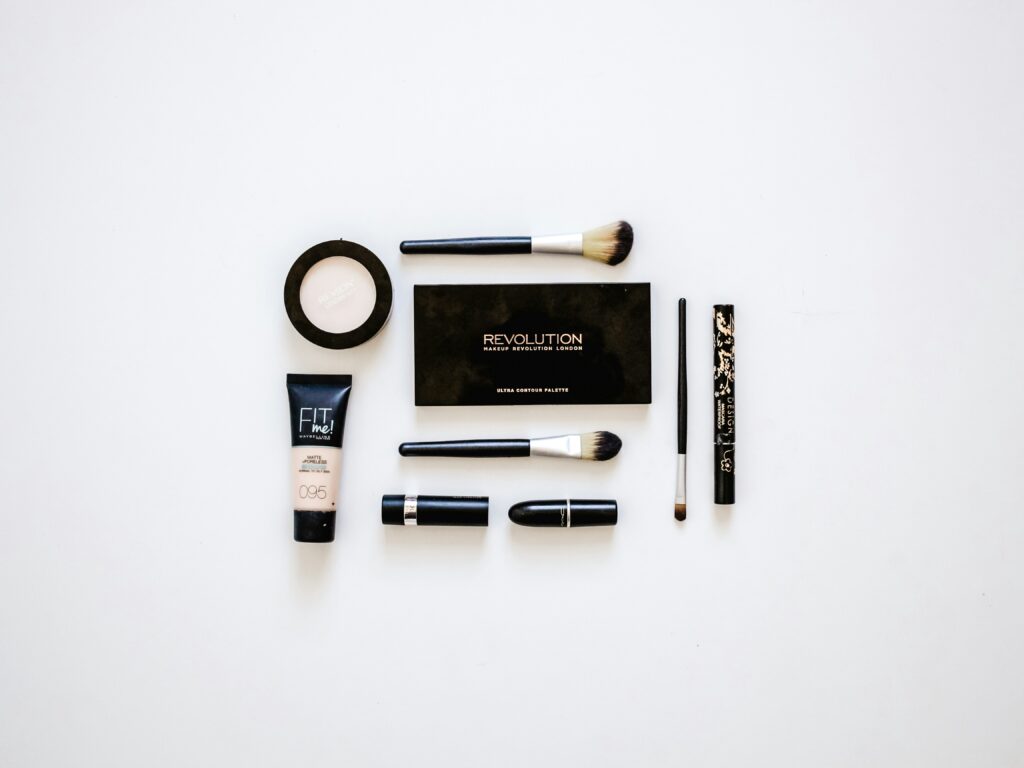
For beginners stepping into the world of makeup, having the right tools and products is crucial for achieving a flawless look. Investing in a few high-quality items can make the application process easier and more enjoyable. Here’s a breakdown of the essential makeup tools and products that every beginner should consider.
Firstly, makeup brushes are indispensable. A basic set should include a foundation brush, a concealer brush, a blush brush, and blending brushes for eyeshadow. While sponges, like a beauty blender, are great for applying foundation and concealer, brushes offer precision and versatility. For beginners, synthetic brushes are often recommended as they provide a smooth application and are easier to clean.
其次,选择适合的基础化妆品也很重要。合适的粉底是妆容的基石。初学者应选择与肤色匹配的粉底液,并确保其具有良好的遮瑕力以遮盖瑕疵。此外,遮瑕膏是补救暗圈和小瑕疵的利器,确保选用轻薄的产品以达成自然妆效。
After establishing a base, blush is essential for adding warmth and vitality to your complexion. Beginners may opt for powder blushes that are easier to blend. When it comes to the eyes, a neutral eyeshadow palette is ideal, providing various shades for everyday looks. Meanwhile, a good quality mascara is key to enhancing the lashes, giving depth to your eyes without requiring intricate techniques.
Finally, topping off the look with some lip color can complete the makeup routine. Beginners should start with a versatile lip balm or gloss, gradually experimenting with more pigmented lipsticks. Opting for drugstore options can allow beginners to explore various shades without exceeding their budget.
Step 1: Skin Preparation
Preparing the skin before applying makeup is a crucial first step to ensure the makeup applies smoothly and lasts longer throughout the day. The initial part of this process involves cleansing the face to remove any impurities, oils, and makeup residue that may interfere with makeup application. Choosing a gentle cleanser suited to your skin type is paramount; for oily skin, a foaming or gel cleanser works well, while a creamy or hydrating cleanser is ideal for dry or combination skin.
Once the skin is cleansed, the next step is to moisturize. Applying a suitable moisturizer helps to hydrate the skin, creating a smooth base for makeup. Different skin types necessitate varying moisturizer formulas. For oily skin types, lightweight, oil-free moisturizers with mattifying properties are recommended, whereas those with dry skin should opt for richer creams that provide intense hydration. Combination skin types can benefit from a balance between both, perhaps using a gel moisturizer for the oily areas and a cream for the dry areas.
Furthermore, the application of sunscreen cannot be overlooked in a good makeup routine. Sunscreen protects the skin from harmful UV rays and prevents premature aging. Look for a broad-spectrum SPF that suits your skin type, as several products nowadays integrate moisturizing and sun protection properties, allowing for a seamless transition into your makeup application.
By meticulously prepping the skin with cleansing, moisturizing, and ensuring appropriate sun protection, you are not just improving the adherence and longevity of the makeup but also promoting overall skin health. This systematic approach establishes a well-prepared canvas, enhancing the final appearance of your makeup.
Step 2: Applying Foundation
Choosing the right foundation is paramount to achieving a smooth and flawless makeup look. Begin by evaluating your skin type, which can be categorized as oily, dry, combination, or sensitive. For oily skin, opt for mattifying foundations that control shine, while dry skin benefits from hydrating formulas. Combination skin may require a foundation that balances moisture and oil control. It is also crucial to consider the desired coverage. Light foundations are suitable for a natural appearance, while full-coverage options cover imperfections effectively.
When selecting a shade, always test the foundation on the jawline or wrist to find a match that seamlessly blends into your skin tone. Natural lighting is preferable for an accurate assessment. Many brands offer different undertones such as warm, cool, or neutral, so choose one that complements your skin’s subtle hues.
Once the foundation is selected, consider the application technique. Tools such as brushes, sponges, and fingers each provide distinct finishes. A paddle or flat foundation brush is excellent for achieving a painted-on look, while a damp makeup sponge can create a soft, airbrushed effect. For those preferring a quick application, using fingertips is also effective; however, ensure your hands are clean.
To apply the foundation, start from the center of the face and blend outward, employing light, dabbing motions for even distribution. If using a brush, utilize circular motions to blend seamlessly. Always remember to apply foundation on the neck as well to maintain a cohesive look. Proper blending is key to achieving a natural appearance, so spend adequate time ensuring there are no visible lines. This step will set a beautiful canvas for the subsequent makeup application.
Step 3: Concealing Imperfections
Concealer plays a crucial role in achieving a polished makeup look. Its primary function is to mask imperfections such as dark circles, blemishes, and redness, making it an essential product in any makeup routine. When selecting a concealer, it is important to consider both shade and texture. For dark circles, opt for a concealer that is slightly lighter than your foundation to brighten the under-eye area. Conversely, for blemishes and redness, choose a shade that closely matches your skin tone to ensure a seamless blend.
To apply concealer effectively, begin by prepping the skin with a moisturizer or primer that suits your skin type. This creates a smooth canvas for the concealer. Using a clean brush, sponge, or your fingertip, dab a small amount of concealer onto the area you wish to conceal. For dark circles, create a triangle shape under the eyes extending towards the outer corner of your eye to not only cover the darkness but also to lift the face visually. For blemishes, gently tap the product over the imperfection until blended, avoiding any harsh rubbing which can exacerbate the spot.
It’s essential to differentiate between concealer and foundation. While foundation is designed to provide an even skin tone across the entire face, concealer is concentrated and meant for targeted application. The thickness of concealer allows for better coverage of specific areas, making it an ideal choice for those seeking to correct specific imperfections without overloading the face with product.
Choosing the right concealer and applying it correctly can significantly enhance the overall appearance of your makeup, ensuring that imperfections are effectively concealed while maintaining a natural look.
Step 4: Adding Color – Blush and Bronzer
Adding color to the face is a crucial step in any makeup routine, as it can significantly enhance your overall appearance. Blush and bronzer are essential products that provide warmth, depth, and a healthy glow. When selecting these products, it is important to consider your skin tone and the look you want to achieve. Generally, blushes come in a variety of shades, from soft pinks to bold corals, while bronzers range from light to deep brown hues.
To choose the right blush shade, assess your natural complexion. Fair skin tones often look best with soft pinks or peaches, while medium skin tones can opt for rosy shades and vibrant corals. Darker skin tones benefit from deeper berry shades and bright oranges. For bronzer, select a shade that is one or two tones darker than your natural skin tone to avoid an unnatural appearance.
When it comes to application, the placement is key to achieving a natural look. Blush should be applied to the apples of your cheeks, gently blending it outward towards the temples. This technique not only defines the cheekbones but also adds a youthful flush to the complexion. Bronzer, on the other hand, is best applied to areas where the sun naturally hits your face: the forehead, temples, nose bridge, and jawline. This method helps in creating a sun-kissed effect.
Blending is crucial when applying these products. Use a soft brush for both blush and bronzer, and start with a light hand, building the color gradually. This approach ensures a seamless finish, which is essential for achieving a polished, natural look. Remember, the goal of adding blush and bronzer is to enhance your features delicately while ensuring you don’t overpower your makeup. With these techniques, you will be well on your way to achieving a beautifully colored complexion.
Step 5: Eye Makeup Basics
Applying eye makeup is a crucial part of any makeup routine, as it can significantly enhance your overall appearance. This section focuses on the fundamental techniques for eyeshadow application, eyeliner use, and the importance of mascara in drawing attention to the eyes.
When it comes to eyeshadow application, there are various techniques to consider. One popular technique is the gradient effect, where you blend lighter shades into darker ones for a seamless transition. Start by applying a light, neutral base color all over the eyelid. Then, use a medium shade in the crease to add depth, and finish with a darker shade on the outer corners for dimension. Another effective method is the cut crease, which creates an illusion of a more defined eyelid by using contrasting colors.
Applying eyeliner can also enhance your eye shape. For those with almond-shaped eyes, a traditional line across the lash line works well. If you have rounder eyes, consider tight-lining the upper lashes to elongate their appearance. To create a winged effect, extend the eyeliner slightly past the outer corner of the eye, lifting the line upwards. It’s important to adapt your eyeliner technique based on your unique eye shape to achieve the best results.
The role of mascara cannot be understated in eye makeup. Mascara is essential for defining and volumizing eyelashes, making your eyes look more open and awake. When applying mascara, start at the base of the lashes and wiggle the wand upward. This technique helps to coat every lash evenly and adds to the appearance of thickness. Consider using a waterproof formula for long-lasting effects, especially during warmer months or for special occasions.
Incorporating these eye makeup essentials into your routine can elevate your look, making your eyes the focal point of your makeup application.
Step 6: Lip Makeup – Choosing and Applying Lip Products
Applying lip makeup is the final touch in a beginner-friendly makeup routine and can dramatically enhance your overall look. To achieve the best results, the first step is choosing the right lip color that suits your skin tone. Generally, those with warm undertones may opt for coral, peach, or warm red shades, while individuals with cool undertones might find themselves drawn to berry, pink, or blue-based red hues. Neutral lip colors, such as mauve or soft pink, can also be flattering for a variety of skin tones.
When it comes to lip products, you have several options to choose from, including lipsticks, lip glosses, and lip liners. Lipsticks are an excellent choice for providing rich color and can range from matte to glossy finishes. On the other hand, lip glosses deliver a shine and are ideal for a more casual look or for layering over lipstick. Lip liners, often underrated, help define lip contours and prevent color from feathering outside the lip line.
For applying lipstick, start by cleaning and exfoliating your lips to ensure a smooth application. Next, you can apply lip primer to enhance wear time. If using lip liner, outline your lips before filling them in with lipstick to create a polished appearance. Apply the lipstick straight from the bullet for a bold look or with a brush for precision. If you choose lip gloss, use a wand applicator for an even application, concentrating on the middle of your lips for a plumping effect.
Additionally, keeping your lips healthy is essential for perfect lip makeup. Regularly hydrate your lips with lip balm, especially before applying any product, and stay hydrated by drinking plenty of water. Exfoliating your lips weekly can remove dead skin cells, ensuring a smooth canvas for your favorite lip look. By following these simple steps, you can achieve beautifully made-up lips that complement your overall makeup routine.
Conclusion: Practice Makes Perfect
Mastering the art of makeup is a journey that requires time, patience, and, most importantly, practice. As you embark on your makeup routine, remember that each application is an opportunity to learn and refine your skills. It is perfectly normal to feel challenged at first, as makeup techniques can be intricate and complex. However, with consistent practice, you will find that your confidence and abilities grow exponentially.
One effective way to enhance your skills is by watching makeup tutorials. There are countless resources available on platforms such as YouTube and Instagram, where seasoned makeup artists share their expertise and techniques. These tutorials can provide you with new ideas and methods, from basic skills to advanced techniques. Make a habit of setting aside some time each week to watch and learn from these videos.
Furthermore, do not hesitate to practice different looks. Experimentation is key to discovering what works best for you and what complements your unique features. Try various styles, from everyday looks to more elaborate creations for special occasions. Assessing your progress through photo comparisons can boost your understanding of what techniques yield the best results.
Finally, remember that every expert was once a beginner. Makeup is an evolving craft that encourages creativity and self-expression. Embrace the learning process, and do not shy away from mistakes; they are often where the most significant lessons are learned. With each application, you will not only enhance your physical beauty but also develop a deeper connection with your self-image. Your journey towards becoming a makeup master is just beginning, and with practice, you will undoubtedly succeed.