Understanding Dry Skin
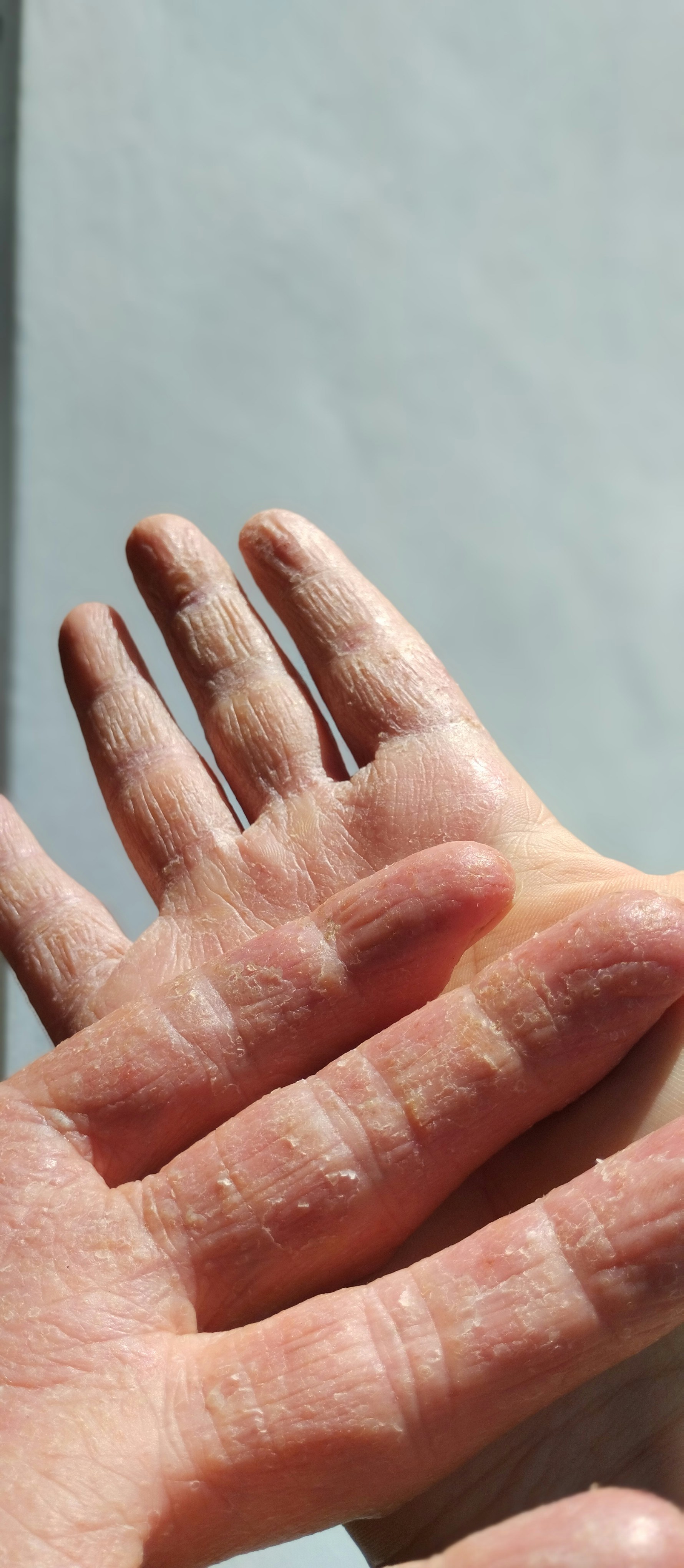
Dry skin, medically known as xerosis, is a common condition characterized by a lack of moisture in the outer layer of the skin. Various factors contribute to dry skin, including environmental elements, lifestyle choices, and skin types. Understanding the causes and symptoms of dry skin is essential in effectively addressing it through various remedies.
Environmental factors play a significant role in the development of dry skin. For instance, exposure to cold weather, low humidity levels, or excessive heat can strip the skin of its natural moisture. Additionally, spending long hours in air-conditioned or heated environments can exacerbate dryness. Sun exposure, particularly without adequate protection, can also lead to rough, flaky skin.
Lifestyle choices such as bathing habits and product use significantly influence skin hydration. Frequent showers with hot water, or the use of harsh soaps and detergents can further compromise the skin’s barrier function, leading to dehydration. Those with sensitive skin types may be particularly prone to experiencing dry patches due to reactions to skincare products or allergens.
Moreover, certain medical conditions can predispose individuals to dry skin. Conditions like eczema, psoriasis, and diabetes may impair the skin’s ability to retain moisture, making it more susceptible to dryness. A lack of essential fatty acids in one’s diet can also contribute to skin health issues, manifesting as dehydration and increases in symptoms associated with dry skin.
In summary, dry skin is influenced by a combination of environmental factors, lifestyle habits, and underlying health issues. Awareness of these causes assists in seeking appropriate remedies and achieving healthier skin hydration levels.
The Importance of Moisturizing
Moisturizing is a critical aspect of skin care, particularly for individuals dealing with dry skin. The primary function of a moisturizer is to hydrate the skin, which is essential for maintaining its overall health and appearance. When the skin lacks moisture, it can become coarse, flaky, and more susceptible to irritation and damage. A well-formulated moisturizer helps to counteract these issues by providing the skin with the necessary hydration it requires to remain supple and comfortable.
Moreover, moisturizers play a vital role in strengthening the skin’s barrier. The skin barrier is the outermost layer that protects against environmental aggressors, such as pollutants and allergens. By employing ingredients designed to enhance the barrier function, moisturizers help to lock in moisture while keeping harmful substances out. This is particularly beneficial for individuals with dry skin, as they often have compromised barrier function, leading to increased moisture loss and heightened sensitivity.
In addition to immediate hydration and barrier support, long-term use of moisturizers presents numerous benefits. Consistent moisturizing can help diminish the appearance of fine lines and wrinkles, resulting in a more youthful complexion. It also aids in the regeneration of skin cells, thereby improving texture and tone over time. By incorporating a moisturizer into one’s daily routine, one can significantly reduce the incidence of chronic dryness, resulting in more resilient and healthier skin.
In summary, the importance of moisturizing for dry skin cannot be overstated. By providing hydration, enhancing the skin barrier, and offering long-term benefits, regular use of moisturizers can lead to improved skin health and overall well-being.
Common Ingredients to Use in Homemade Remedies
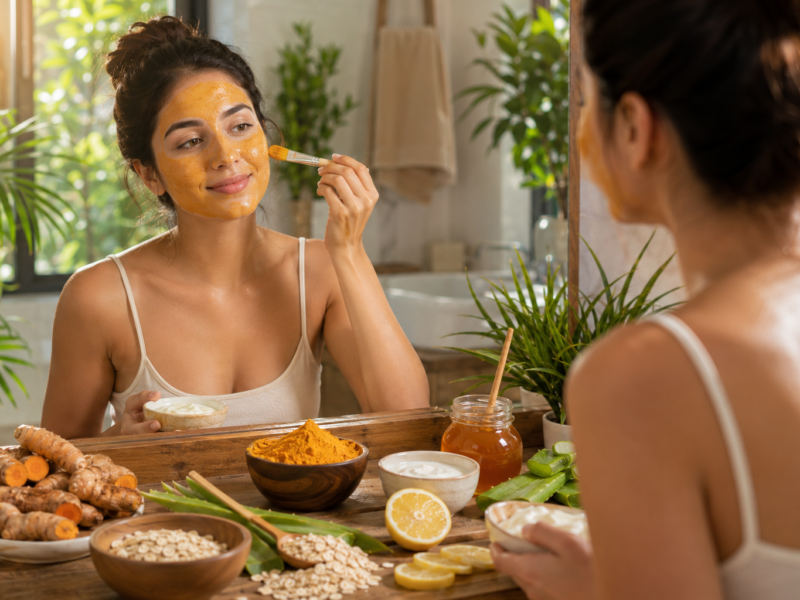
When searching for effective homemade moisturizers for dry skin, several natural ingredients stand out due to their beneficial properties. These components not only provide hydration but also promote skin health by delivering essential nutrients.
Coconut oil is renowned for its ability to penetrate the skin deeply, providing moisture and preventing the loss of hydration. Rich in fatty acids, coconut oil has both antibacterial and antifungal properties, which can help maintain skin integrity while soothing dryness.
Shea butter is another exceptional ingredient for dry skin. Extracted from the nuts of the shea tree, this natural butter is packed with vitamins A and E, which enhance skin texture and elasticity. It forms a protective barrier on the skin’s surface, reducing moisture loss and providing long-lasting hydration.
Honey serves as a natural humectant, drawing moisture from the environment into the skin. Its antibacterial and anti-inflammatory properties help reduce irritation and promote healing, making it an ideal choice for those with sensitive or dry skin.
Aloe vera is often celebrated for its soothing and hydrating qualities. This succulent plant contains a wealth of vitamins, minerals, and enzymes that nourish the skin while promoting cell regeneration. Using aloe vera in homemade moisturizers can help relieve dryness and create a calming effect on the skin.
Lastly, olive oil is rich in antioxidants and healthy fats that nourish and hydrate dry skin. Its emollient properties help to soften the skin, while the antioxidants combat oxidative stress, promoting overall skin health. Olive oil can effectively seal in moisture, making it a superb addition to any homemade moisturizer.
By incorporating these ingredients into your homemade remedies, you can create effective moisturizers that hydrate and nourish dry skin, transforming it into a smoother, more resilient surface.
DIY Moisturizer Recipes for Dry Skin
Creating your own moisturizers at home can be a straightforward yet effective way to alleviate dry skin. Below are several detailed recipes for homemade moisturizers enriched with natural ingredients known for their hydrating properties.
1. Coconut Oil and Honey Moisturizer
Ingredients: 1/2 cup of coconut oil, 1/4 cup of raw honey, 1 teaspoon of vitamin E oil.
Preparation: Melt the coconut oil and mix in the honey and vitamin E oil until smooth. Allow it to cool and solidify slightly before applying. Use daily for best results. This combination is excellent as coconut oil acts as a barrier to lock in moisture, while honey is a natural humectant that attracts water to the skin.
2. Avocado and Olive Oil Cream
Ingredients: 1 ripe avocado, 2 tablespoons of olive oil, and 1 tablespoon of lemon juice.
Preparation: Mash the avocado in a bowl and mix in the olive oil and lemon juice until creamy. Apply generously on dry areas and leave for 15-20 minutes before rinsing off with lukewarm water. The natural fats from avocado provide nutrients and hydration, making this cream ideal for extremely parched skin.
3. Shea Butter and Almond Oil Balm
Ingredients: 1/2 cup of shea butter, 2 tablespoons of almond oil, and a few drops of your preferred essential oil.
Preparation: Gently melt the shea butter and stir in the almond oil until well-blended. Add essential oil for fragrance, if desired. Allow the mixture to set before storing in a jar. This balm is intensely moisturizing and can be applied throughout the day as needed, particularly during colder months.
Utilizing natural ingredients in these DIY moisturizers not only ensures that your skin receives quality nourishment but also allows for customization to suit individual preferences. Regular application may help significantly improve skin hydration and texture.
How to Choose the Right Moisturizer for Your Skin Type
Selecting the right moisturizer is crucial for maintaining healthy skin, particularly for those with dry skin. The first step in choosing a suitable moisturizer is to identify your skin type. Skin types can generally be categorized into four primary groups: normal, oily, dry, and combination. Each type has specific characteristics and may require different moisturizing attributes.
For individuals with dry skin, it is imperative to look for a moisturizer that contains emollients and humectants. Emollients, such as shea butter or lanolin, help to soften and smooth the skin. Humectants like glycerin or hyaluronic acid draw moisture from the environment into the skin. Products labeled as “creams” or “ointments” may offer a thicker consistency, which often suffices for providing the necessary hydration.
Conversely, those with oily skin should consider lightweight, non-comedogenic moisturizers to avoid blocking pores. Gel-based moisturizers or those containing oil-free formulas can effectively hydrate without adding excess oil. Products with salicylic acid can also be beneficial for oily skin types as they help to control breakouts.
Combination skin may require a tailored approach. In these cases, a lighter moisturizer may be applied to the oily areas, while a richer product is used for dry patches. Look for multifunctional formulations that cater to both needs.
Lastly, sensitive skin types should prioritize hypoallergenic and fragrance-free formulas to minimize irritation. Ingredients such as aloe vera and chamomile may soothe sensitivity while providing the necessary hydration.
By understanding your skin type and what to look for in a moisturizer, you can make informed decisions that will enhance your skincare routine and maintain optimum skin health.
Tips for Applying Moisturizers Effectively
Applying moisturizers effectively is essential for achieving the best results in addressing dry skin. One of the primary considerations should be the timing of application. Moisturizers should ideally be applied immediately after bathing or washing your face. This practice locks in moisture while your skin is still damp, enhancing the product’s effectiveness. Waiting too long may allow your skin to lose the moisture that needs to be retained.
Frequency also plays a crucial role. For most skin types, especially those experiencing dryness, moisturizing twice a day is recommended – once in the morning and once at night. This routine ensures that your skin remains hydrated throughout the day and night, providing optimal protection and nourishment. However, during particularly dry seasons or after exposure to harsh environmental conditions, you may consider applying a moisturizer more frequently.
Layering products can further enhance the benefits of your moisturizer. If you use additional skincare products such as serums or oils, apply the lighter products first, followed by the moisturizer. This method allows the lighter formulations to penetrate the skin for maximum hydration, while the thicker moisturizer acts as a sealant.
To boost absorption, you may also incorporate gentle massage techniques during application. This technique increases blood circulation and helps the moisturizer penetrate deeper into the skin. Moreover, you can add a few drops of essential oils or hydrating agents, such as glycerin or hyaluronic acid, to your moisturizer for an extra boost in hydration. In conclusion, adopting these techniques can significantly enhance the effectiveness of your moisturizer, ensuring your skin remains supple, nourished, and healthy.
Lifestyle Changes to Support Moisturized Skin
Maintaining adequate hydration and adopting a balanced diet play crucial roles in supporting moisturized skin and combating dryness. One of the simplest yet most effective solutions is ensuring adequate water intake. Dehydration can significantly impact skin health, leading to a dry and flaky complexion. It is advisable to consume at least eight glasses of water daily to help keep the skin supple and nourished. Adjustments in water consumption may be necessary depending on factors such as physical activity levels and climate.
In addition to hydration through liquids, the food we consume influences skin health. Incorporating foods that are rich in omega-3 fatty acids, such as salmon, walnuts, and flaxseeds, can help maintain a healthy skin barrier. Furthermore, fruits and vegetables high in vitamins C and E, like oranges, strawberries, and spinach, are powerful allies in combating oxidative stress and promoting skin repair. Avoiding excessive consumption of salty and sugary foods can also contribute positively to skin hydration.
Creating an optimal indoor environment is another essential aspect of preventing dry skin. Utilizing a humidifier can significantly improve moisture levels in the air, especially during winter months or in dry climates. Humidifiers work by adding humidity to the indoor environment, thus preventing the skin from becoming parched and irritated.
Lastly, establishing and maintaining a consistent skincare routine is vital for managing dry skin effectively. This involves cleansing, exfoliating, and moisturizing regularly with products that cater specifically to dry skin. A strong emphasis should be placed on using a good quality moisturizer after every wash, as this ensures lasting hydration throughout the day. By combining hydration, dietary adjustments, environmental controls, and a thoughtful skincare regimen, individuals can effectively support skin health and minimize dryness.
When to Seek Professional Help
Recognizing when to consult a dermatologist for dry skin concerns is crucial in managing your skin health effectively. While many cases of dry skin can be treated with homemade moisturizers, there are specific symptoms and conditions that may indicate the need for professional evaluation.
Signs that suggest you should seek professional help include persistent or worsening dryness that does not improve with over-the-counter creams, as well as the presence of severe redness, swelling, or peeling. If you experience intense itching, bleeding, or cracks in your skin, these symptoms could be indicative of an underlying skin condition requiring specialized treatment. Moreover, dry skin accompanied by other symptoms such as fever, widespread rash, or changes in pigmentation warrants immediate medical advice, as they may signal more serious health issues.
In addition to these symptoms, certain underlying conditions such as eczema, psoriasis, or dermatitis can contribute to chronic dry skin. If you have been diagnosed with any of these conditions, it is important to consult with a dermatologist to develop a suitable treatment plan tailored to your specific needs. These professionals can prescribe medicated creams, steroid ointments, or other therapies to address the underlying issues effectively.
During a visit to a dermatologist, you can expect a thorough examination of your skin, along with a discussion about your medical history and any other symptoms you may be experiencing. Depending on the findings, the dermatologist may perform skin tests or recommend specific treatments to alleviate your dry skin condition. Seeking professional help can provide both relief from symptoms and ensure the long-term health of your skin.
Conclusion and Final Thoughts
In the journey toward achieving healthy and hydrated skin, the importance of moisturizing cannot be overstated, particularly for those grappling with dry skin. Throughout this post, we have discussed a variety of homemade moisturizer remedies that can effectively combat dryness and nourish your skin. Each remedy offers unique ingredients that not only help to lock in moisture but also provide additional skin benefits. For instance, natural oils such as coconut and olive oils are renowned for their emollient properties, making them ideal for restoring skin’s suppleness.
Moreover, incorporating ingredients like honey and aloe vera can enhance your moisturizer’s effectiveness, as they possess healing properties and can soothe irritated skin. It is essential to experiment with these homemade solutions to find the combination that works best for your specific skin type and needs. Customizing your moisturizer will not only improve your skin but also enable you to utilize ingredients that are easily accessible and safe.
We encourage you to take the initiative in trying out these remedies and observe how your skin responds. Keep in mind that consistency is key when treating dry skin, so it might take some time to notice significant improvements. It would be beneficial to keep a record of your skin’s reaction to each remedy, allowing for adjustments to be made as needed.
We also invite our readers to share their experiences or any additional tips they may have for managing dry skin in the comments section below. Your insights could be invaluable to others looking for effective moisturizing solutions. Remember, taking care of your skin is an ongoing process, and finding the right homemade moisturizer is an important step in that journey.