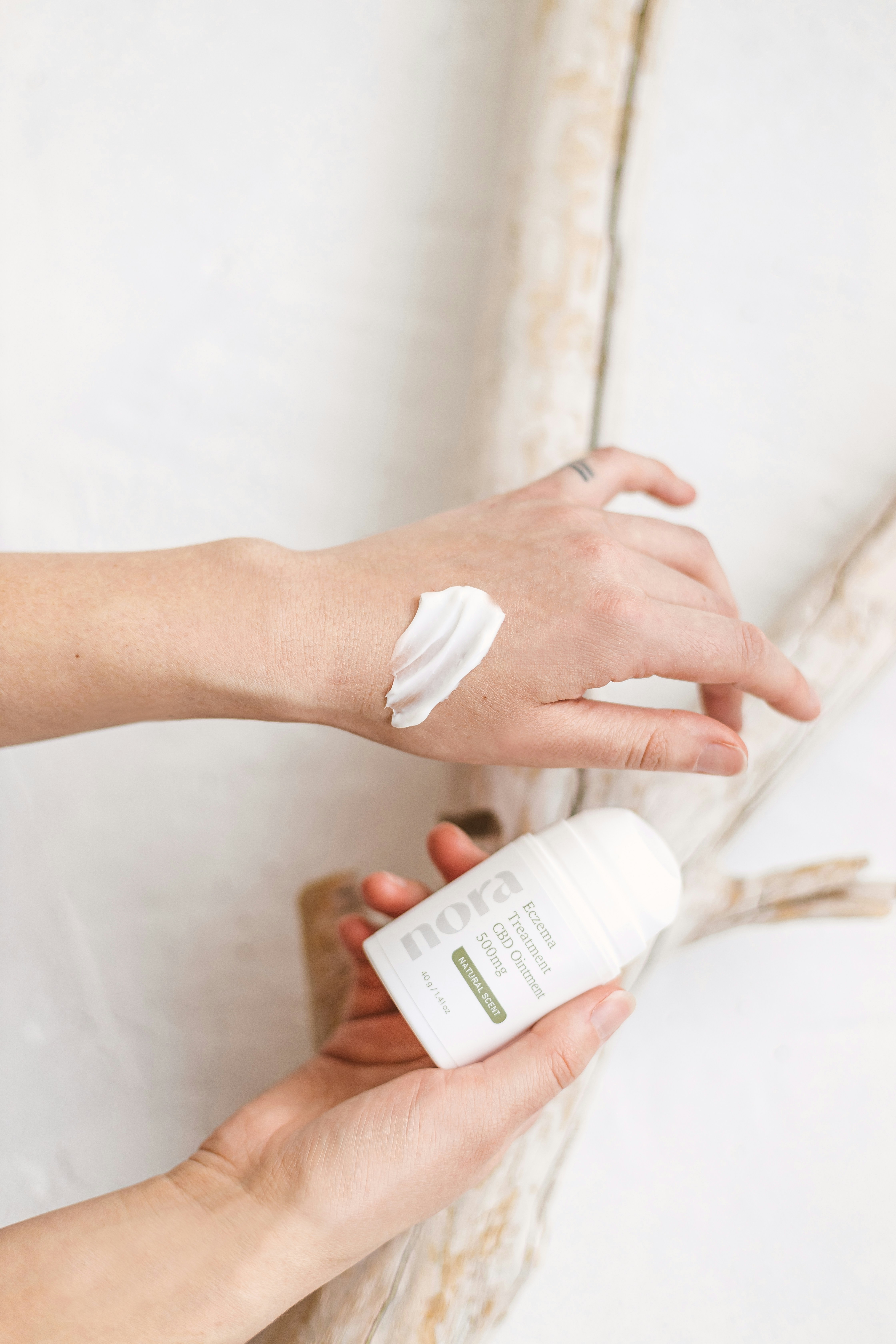
Understanding Chronic Dry Skin
Chronic dry skin, medically known as xerosis, is a condition characterized by a persistent lack of moisture in the outer layer of the skin. This condition is not only uncomfortable but can also lead to more serious skin issues if not properly managed. Individuals suffering from chronic dry skin often experience tightness, flakiness, and an increased propensity for skin irritation and inflammation.
The causes of chronic dry skin are myriad, encompassing environmental factors, genetic predispositions, and lifestyle choices. Environmental elements such as low humidity, exposure to harsh weather conditions, or prolonged contact with water can exacerbate dry skin. In particular, cold winters or dry climates can strip the skin of its natural oils, leading to a loss of hydration.
Genetics can also play a pivotal role in the development of this condition. Individuals with a family history of dry skin disorders may find themselves more vulnerable to chronic dryness. Additionally, certain skin types, such as those that are naturally more sensitive or thin, may be more prone to develop this condition.
Lifestyle choices further contribute to skin hydration levels. Excessive use of soaps or detergents, which may contain harsh chemicals, can disrupt the skin’s natural barrier, precipitating dryness. Furthermore, a lack of proper hydration and a diet deficient in essential fatty acids can hinder the skin’s ability to maintain moisture. Implementing a holistic approach that incorporates both environmental awareness and healthy habits is essential for addressing chronic dry skin effectively.
Importance of a Skincare Routine
The significance of adhering to a consistent skincare routine is paramount for individuals suffering from chronic dry skin. A structured regimen not only helps in managing the symptoms associated with dryness but also plays a crucial role in protecting the skin barrier. When the skin’s barrier is compromised, it can lead to excessive moisture loss, resulting in further dryness and irritation. By integrating hydrating products and therapeutic ingredients into a daily routine, individuals can restore the skin’s natural moisture balance.
Moreover, a well-defined skincare plan fosters improved overall skin health over time. Regular cleansing, moisturizing, and exfoliating can eliminate dead skin cells, enhance hydration levels, and promote skin cell turnover. This routine is particularly critical for those with chronic dry skin, as it can minimize the risk of developing conditions such as eczema or dermatitis. Consistent use of emollients and occlusives can create a shield against environmental stressors while ensuring that moisture is locked in, rendering the skin less prone to dryness.
Another vital aspect of a dedicated skincare routine is its psychological benefits. Engaging in a daily ritual can provide a sense of control and self-care, improving mental well-being. When individuals actively invest time and effort into their skincare, they are likely to feel more empowered and positive about their skin condition. A targeted regimen can equip individuals with the means to combat the effects of chronic dry skin, thus enhancing not just their skin’s appearance, but their overall quality of life.
Identifying the Right Cleansers
Choosing the right cleansers is crucial for managing chronic dry skin. It is essential to select formulations that are gentle and hydrating, as harsh cleansers can strip the skin of its natural oils and exacerbate dryness. Ideally, individuals with dry skin should look for products that are labeled as “moisturizing” or “hydrating,” ensuring that they not only cleanse but also infuse moisture into the skin.
When assessing potential cleansers, pay attention to key ingredients. Cleansers containing hyaluronic acid, glycerin, or ceramides are excellent options as they help retain moisture and reinforce the skin barrier. Additionally, look for creamy or oil-based cleansers, which are typically more suitable for dry skin types. Ingredients like aloe vera and chamomile can also add soothing properties, alleviating any irritation caused by dryness.
Conversely, there are certain ingredients to avoid in cleansers for dry skin. Products containing alcohol, sulfates, or fragrances can be particularly drying or irritating. Sulfates, which are commonly found in foaming cleansers, can strip the skin of its natural oils, making them unsuitable for those with chronic dryness. Similarly, harsh exfoliants in certain cleansers may further damage the skin’s moisture barrier.
In summary, when choosing a cleanser for chronic dry skin, prioritize hydrating and gentle formulations while steering clear of irritating ingredients. By focusing on the right cleanser, individuals can establish a foundational step in their skincare routine that nurtures and protects dry skin, paving the way for enhanced overall skin health.
Moisturizing: Key to Combatting Dryness
Moisturizing plays a crucial role in alleviating the symptoms associated with chronic dry skin. Effective skin hydration involves utilizing the right types of moisturizers, which can be categorized into three main types: occlusives, humectants, and emollients. Each of these categories serves a specific function that contributes to maintaining skin moisture levels and repairing the skin barrier.
Occlusives, such as petrolatum, beeswax, and lanolin, create a physical barrier on the skin’s surface that helps to prevent water loss. These ingredients are particularly beneficial for individuals experiencing extreme dryness, as they effectively seal in moisture, providing long-lasting hydration. Incorporating a moisturizer that contains occlusives is essential, especially after bathing or showering, to ensure that the skin retains moisture.
On the other hand, humectants like glycerin, hyaluronic acid, and urea draw moisture from the environment into the skin. These ingredients not only enhance hydration but also improve the skin’s elasticity and overall appearance. It is advisable to look for products that contain a combination of humectants and occlusives to achieve optimal hydration levels.
Emollients, including ingredients like shea butter, coconut oil, and dimethicone, work to soften and smooth the skin. They fill in the gaps between skin cells, resulting in a healthier and more supple texture. Thus, incorporating emollient-rich moisturizers can significantly enhance the feel and look of dry skin.
For those looking to combat chronic dryness, it is recommended to select formulations designed specifically for dry skin. Products such as creams or ointments often offer better hydration compared to lotions. Additionally, options that are fragrance-free and free from harsh ingredients are advisable, as these minimize irritation and enhance the overall effectiveness of the skincare routine.
Incorporating Exfoliation Safely
Exfoliation is a critical component of maintaining healthy skin, especially for individuals suffering from chronic dry skin. It aids in removing dead skin cells, promotes cell turnover, and helps enhance the absorption of subsequent skincare products. However, for those with dry skin, it is essential to approach exfoliation with care to avoid irritation and potential damage.
Two primary types of exfoliants can be incorporated into a skincare routine: physical and chemical exfoliants. Physical exfoliants include scrubs and brushes that manually slough off dead skin cells. While they can be effective, individuals with chronic dry skin should select gentle options that contain fine granules to minimize abrasiveness. Overuse of harsh physical exfoliants can disrupt the skin barrier, worsening dryness and irritation.
Chemical exfoliants, on the other hand, utilize acids to dissolve dead skin cells and can be a preferable choice for dry skin. AHAs (alpha-hydroxy acids) such as glycolic acid and lactic acid are particularly beneficial, as they not only remove dead cells but also hydrate the skin. Conversely, BHAs (beta-hydroxy acids) like salicylic acid are better suited for oily or acne-prone skin. For chronic dry skin, incorporating AHAs into a routine a couple of times a week can promote a smoother texture without excessive dryness.
Frequency of exfoliation is essential; individuals with chronic dry skin should typically exfoliate once or twice a week, depending on their skin’s tolerance and specific product instructions. This careful approach helps maintain the skin’s health without disrupting its natural moisture barrier. By selecting suitable exfoliants and adhering to a consistent, mindful exfoliation schedule, those with chronic dry skin can reap the benefits without exacerbating their issue.
Chronic dry skin can be uncomfortable and unsightly, but incorporating the right nourishing ingredients into your skincare routine can dramatically improve skin hydration and overall health. Key components to look for include hyaluronic acid, ceramides, glycerin, and a selection of natural oils.
Hyaluronic acid is one of the most powerful humectants available, capable of holding up to 1000 times its weight in water. This remarkable ability allows it to draw moisture from the environment into the skin, making it an ideal ingredient for combating dryness. Regular use of products containing hyaluronic acid can lead to plumper and more hydrated skin.
Ceramides are another essential ingredient for those with chronic dry skin. These naturally occurring lipids help to restore the skin’s barrier function, reducing transepidermal water loss and retaining moisture within the skin. Ceramides also have anti-inflammatory properties, which can help soothe and calm dry, irritated skin.
Glycerin, a powerful humectant similar to hyaluronic acid, also plays a vital role in maintaining skin hydration. It works by attracting water to the outer layer of the skin, helping to keep it soft and supple. Incorporating glycerin in your skincare products can assist in ameliorating dry skin conditions, ensuring that the skin feels more comfortable throughout the day.
Additionally, natural oils such as jojoba oil, almond oil, and coconut oil serve as excellent moisturizers. These oils not only provide hydration but also replenish the skin’s lipid barrier, locking in moisture. They are rich in fatty acids that nourish the skin and improve its texture, making them excellent choices for individuals struggling with dryness.
Incorporating products with these nourishing ingredients into your skincare routine can significantly enhance hydration levels and support overall skin health, alleviating the discomfort associated with chronic dry skin.
Sun Protection for Dry Skin
The significance of sun protection in skincare is paramount, particularly for individuals with chronic dry skin. While the primary focus may often be on moisturizing and hydration, protecting the skin from harmful UV rays is equally essential. Exposure to sunlight can exacerbate dryness, leading to increased flakiness, irritation, and a compromised skin barrier. Therefore, selecting a suitable sunscreen is a vital part of any skincare routine.
When choosing a sunscreen, it is advisable to opt for formulations that not only protect against UVA and UVB rays but also include moisturizing properties. Look for sunscreens that contain hydrating ingredients such as hyaluronic acid, glycerin, or ceramides. These ingredients help to retain moisture, adding an extra layer of hydration which is beneficial for dry skin types. Furthermore, choosing a broad-spectrum sunscreen with at least SPF 30 is crucial to ensure adequate protection.
Additionally, individuals with dry skin should consider mineral-based sunscreens that utilize zinc oxide or titanium dioxide as active ingredients. These ingredients create a physical barrier on the skin that reflects UV rays, providing protection without further irritation that chemical sunscreens may cause. It is also beneficial to select sunscreens that are free from alcohol and fragrances, as these can exacerbate dryness and sensitivity.
Lastly, it is vital to reapply sunscreen every two hours during sun exposure and after swimming or sweating. Many moisturizing sunscreens are available in various forms, including creams, gels, and sprays, allowing individuals to find a texture that suits their preference for daily use. Incorporating a quality sunscreen into a skincare routine not only helps protect the skin from UV damage but also supports the maintenance of hydration levels, ensuring that dry skin remains healthy and balanced.
Lifestyle Changes that Aid in Managing Dry Skin
Managing chronic dry skin effectively often requires more than just topical remedies. Adopting certain lifestyle changes can significantly improve skin hydration and overall health. One of the most critical aspects is maintaining proper hydration. Drinking sufficient water daily helps plump the skin, making it less susceptible to dryness and irritation. Aim for at least eight 8-ounce glasses of water daily, as adequate fluid intake supports skin elasticity and assists in cellular functions.
Diet also plays a vital role in managing dry skin. Incorporating foods rich in omega-3 fatty acids, such as salmon, walnuts, and flaxseeds, can enhance the skin’s barrier function. These healthy fats help retain moisture, preventing the skin from becoming overly dry. Fruits and vegetables, which are high in antioxidants, vitamins, and minerals, should also be staples in one’s diet, as these nutrients promote skin repair and resilience.
Another important factor to consider is the humidity levels in your environment. Dry indoor air, especially during winter months, can strip the skin of moisture. Using a humidifier to increase humidity levels can combat this effect, making a noticeable difference in skin hydration. Furthermore, it is essential to avoid harsh environmental factors such as extreme temperatures, excessive sun exposure, and polluted surroundings which may exacerbate dry skin conditions. Protective measures, such as using sunscreen and wearing appropriate clothing, can help shield the skin from these harmful elements.
In summary, implementing these lifestyle changes—staying hydrated, consuming a nutrient-rich diet, adjusting humidity levels, and avoiding harsh environmental conditions—can significantly contribute to managing chronic dry skin. Over time, such modifications will not only improve skin’s appearance but also enhance its overall health.
DIY Remedies and Natural Treatments
Chronic dry skin can be a persistent issue that is often exacerbated by environmental factors and lifestyle choices. Fortunately, there are several effective DIY remedies and natural treatments that can profoundly benefit individuals suffering from this condition. Utilizing common household ingredients, these homemade solutions can provide hydration and nourishment to the skin.
One popular remedy is the use of honey and olive oil. Honey is a natural humectant, which means it draws moisture into the skin, while olive oil acts as a superb moisturizer. To create this nourishing treatment, mix two tablespoons of honey with one tablespoon of olive oil. Apply the mixture generously on the affected areas and let it sit for approximately 15-20 minutes before rinsing it off with warm water. This treatment can help restore moisture and enhance the skin’s texture.
Another effective remedy involves oatmeal and yogurt. Oatmeal has soothing properties and is beneficial for alleviating dryness and irritation. Create a paste by combining one cup of finely ground oatmeal with half a cup of plain yogurt. Apply this mixture on the skin and leave it for 30 minutes. Afterward, rinse with lukewarm water. This natural treatment not only hydrates but also calms inflamed skin.
For those seeking additional hydration, avocado is an excellent choice due to its rich fatty acids and vitamins. To prepare an avocado mask, mash half an avocado and mix it with one tablespoon of honey. Apply it to the face and leave it on for 20 minutes before rinsing. Regular use can help improve the skin’s overall appearance by providing a boost of moisture.
Finally, coconut oil serves as another versatile remedy for dry skin. It can be applied directly to the skin as an intensive moisturizer, particularly after bathing, to lock in hydration and prevent moisture loss. Incorporating these DIY remedies and natural treatments into your skincare routine may significantly improve the condition of chronic dry skin and promote a healthier, more radiant complexion.