Understanding Aging Skin
As women reach their thirties, their skin begins to undergo a series of physiological changes that can significantly impact its appearance and health. One of the most notable changes is the decreased production of collagen, which is crucial for maintaining skin’s firmness and structure. By the age of 30, collagen levels may start to decline, leading to a more pronounced visibility of fine lines and wrinkles. This gradual loss of collagen contributes to the skin appearing less plump and youthful.
In addition to collagen loss, the skin’s elasticity can also diminish over time. This reduction in elasticity occurs due to changes in the skin’s connective tissues, which makes it less able to bounce back after stretching or pulling. Consequently, the skin may begin to sag or develop droopy areas, particularly around the jawline and cheeks. These changes necessitate a reassessment of one’s skincare routine to address the specific needs of aging skin.
Furthermore, the texture and moisture levels of the skin can change significantly as women age. The production of natural oils diminishes, leading to dryness and uneven skin texture. This reduction in moisture can make the skin appear dull and lifeless, detracting from an overall radiant complexion. To counteract these effects, a tailored skincare regimen that includes hydrating products and ingredients aimed at restoring moisture is essential.
Addressing these changes through a well-structured skincare routine tailored to the needs of aging skin can help mitigate the signs of aging. Incorporating products that boost collagen production, enhance elasticity, and increase hydration will not only improve skin texture but also promote a more youthful and vibrant appearance. Understanding the aging process is the first step toward adopting effective skincare strategies for women over 30.
Essential Ingredients for Anti-Aging Skincare
When selecting products for an anti-aging skincare routine, understanding the essential ingredients is paramount. The skin undergoes various changes as we age, making it crucial to incorporate specific elements that can combat these effects.
One of the most renowned ingredients in the realm of skincare is retinoids. These vitamin A derivatives are lauded for their ability to promote cell turnover, thereby reducing the appearance of fine lines, wrinkles, and uneven skin tone. By stimulating collagen production, retinoids effectively improve skin firmness and elasticity, making them a staple in many anti-aging regimens.
Hyaluronic acid is another key component; it attracts moisture to the skin, keeping it hydrated and plump. As we age, our natural hyaluronic acid levels diminish, leading to a loss of skin volume and an increase in the visibility of fine lines. Incorporating products with hyaluronic acid can help restore hydration and provide a youthful appearance.
Moreover, antioxidants, particularly Vitamin C, serve a dual purpose. Not only do they protect the skin from oxidative stress caused by free radicals, but they also aid in brightening the complexion and evening out skin tone. Vitamin C can also enhance collagen synthesis, further contributing to skin elasticity.
Peptides are small chains of amino acids vital for skin regeneration and repair. They signal the skin to produce more collagen and elastin, thereby reducing the visible signs of aging. As a result, incorporating peptide-based products can lead to a more youthful and resilient skin texture.
Lastly, one cannot overlook the importance of sunscreen. UV exposure is a primary contributor to premature aging. Daily application of a broad-spectrum sunscreen protects the skin from harmful rays, preventing sun damage and maintaining an even skin tone.
Building Your Morning Skincare Routine
An effective morning skincare routine is essential for women over 30, as it helps to maintain skin health, prevent premature aging, and create a radiant complexion. This routine consists of four key steps: cleansing, toning, moisturizing, and applying sunscreen. Implementing these steps can significantly enhance the skin’s resilience against age-related issues.
Begin with cleansing. Choose a gentle cleanser that removes impurities without stripping the skin of its natural oils. Look for formulations that contain hyaluronic acid or peptides, as these can help to hydrate and nourish the skin. Using lukewarm water, massage the cleanser onto the skin in circular motions for about 30 seconds, then rinse thoroughly to reveal fresh, clean skin.
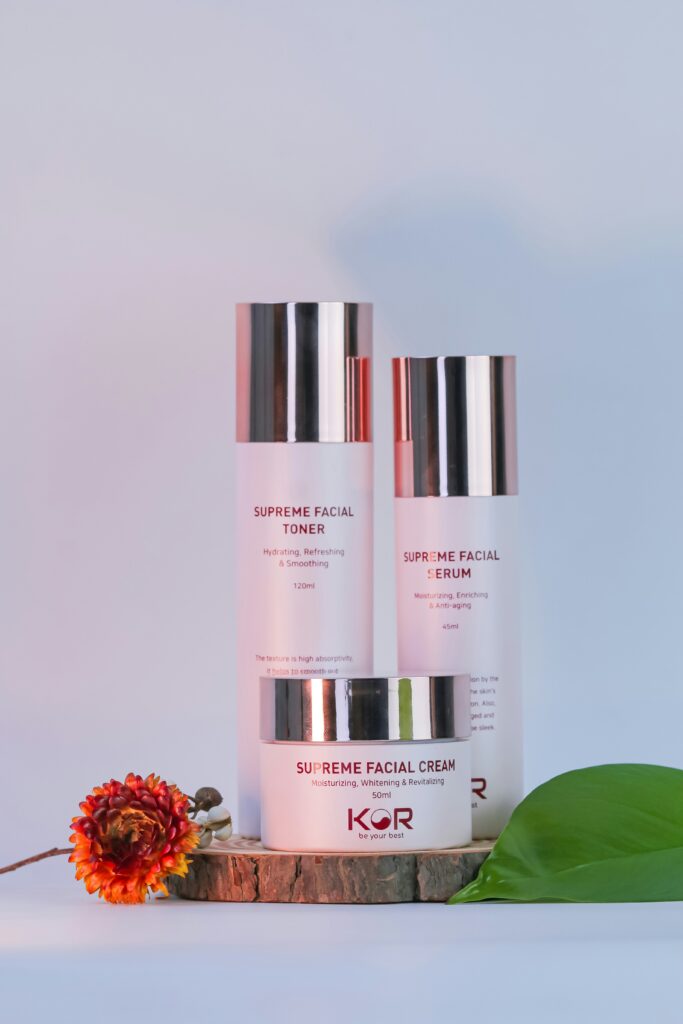
The next step is toning. A good toner not only balances the pH of the skin but also prepares it for subsequent products. Opt for an alcohol-free toner that contains antioxidants such as vitamin C or green tea extract, which can help protect the skin from environmental damage. Apply the toner with a cotton pad or gently pat it onto the skin using your hands for better absorption.
Following toning, it is crucial to apply a moisturizer. A well-formulated moisturizer with ingredients like ceramides, glycerin, or shea butter can lock in moisture and improve skin texture. Focus on spreading the product evenly across the face and neck, allowing it to absorb fully before moving on to the next step.
Finally, sunscreen is non-negotiable, as it is vital in preventing UV-related skin damage and minimizing the signs of aging. Choose a broad-spectrum sunscreen with at least SPF 30. Apply it liberally, ensuring even coverage. Reapply every two hours if you are outdoors, to maintain protection throughout the day.
Nighttime Skincare Rituals
Establishing a nighttime skincare routine is essential for women over 30 seeking to combat signs of aging and enhance skin health. As the skin goes through a natural repair process overnight, incorporating effective steps into your nighttime ritual can significantly contribute to its rejuvenation and vitality. The first step in your routine should be cleansing, utilizing a gentle cleanser to remove makeup, impurities, and excess oil. Effective products for this purpose include micellar water or gel cleansers that do not strip the skin’s natural moisture barrier.
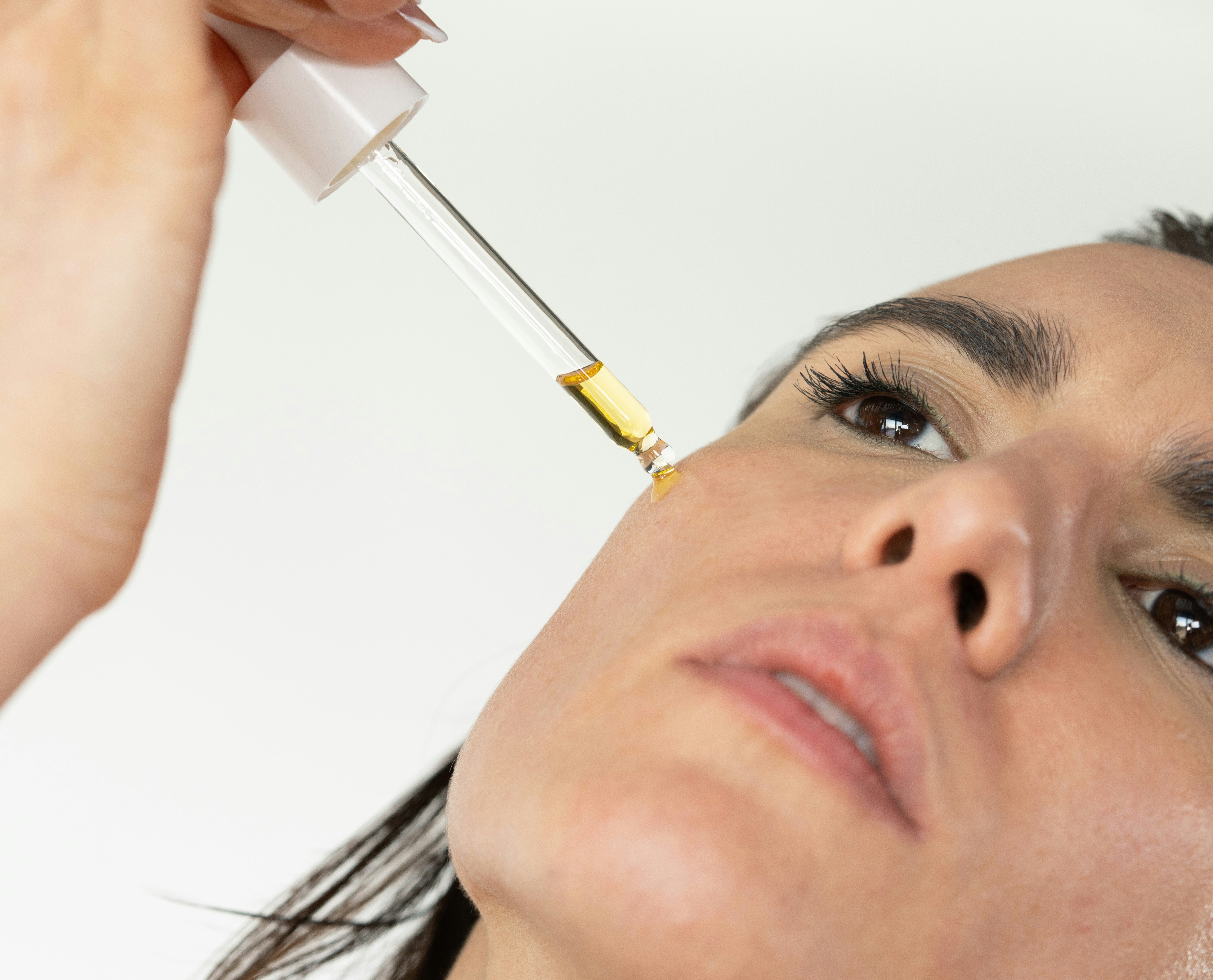
After cleansing, applying active ingredients can yield substantial benefits. Retinol is a well-researched option; it stimulates cell turnover and boosts collagen production, helping to reduce fine lines and discoloration. If you have sensitive skin, consider a retinol alternative, such as bakuchiol, which offers similar benefits with less irritation. Following this, incorporating a vitamin C serum can help in brightening the complexion while combating free radicals.
Hydration is key to achieving a youthful appearance. Look for hydrating serums containing hyaluronic acid or glycerin, both of which attract moisture to the skin. These ingredients plump the skin and improve texture when used regularly at night. Next, it’s crucial to seal the hydration in with a rich moisturizer that suits your skin type. products containing peptides or ceramides can promote skin barrier repair and ultimately aid in skin recovery.
Lastly, do not overlook the importance of eye cream in your nighttime skincare regimen. A dedicated eye cream can help address puffiness and dark circles, providing the delicate area with the specific nutrients it requires. Remember, consistency is vital; adhering to this nighttime skincare routine will yield the best results over time, allowing your skin to appear revitalized and youthful each morning.
Exfoliation and Its Role in Anti-Aging
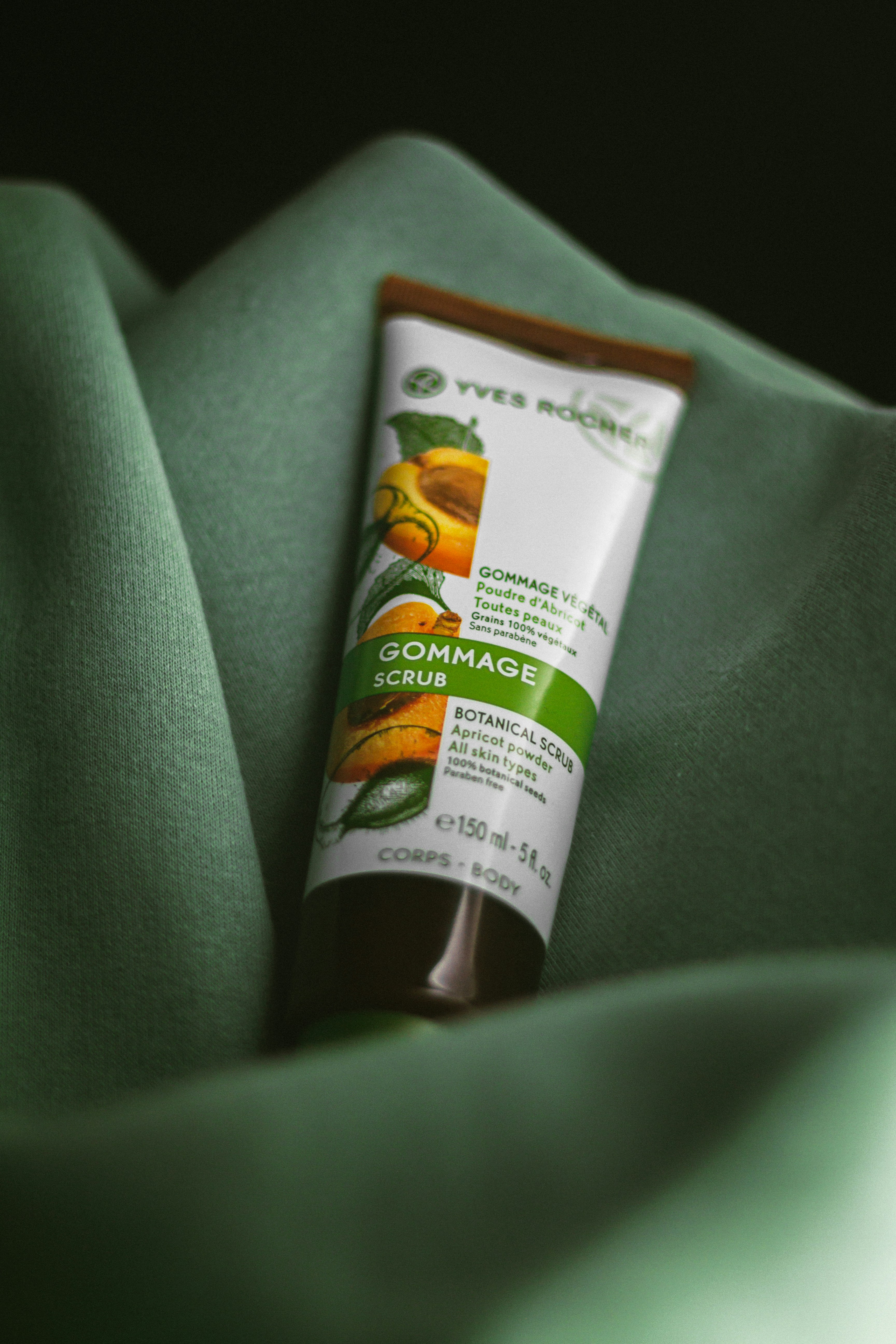
Exfoliation is a critical component of any anti-aging skincare routine, particularly for women over 30. As we age, the natural turnover rate of skin cells slows down, leading to an accumulation of dead skin on the surface. This buildup can contribute to a dull, uneven complexion and may hinder the effectiveness of other skincare products. Therefore, regular exfoliation is essential to promote skin renewal and enhance the overall texture and glow of the skin.
There are two primary types of exfoliants: physical and chemical. Physical exfoliants involve the use of granular substances or tools, such as scrubs and brushes, to manually remove dead skin cells. However, caution is advised as excessive use can lead to irritation or micro-tears in the skin. On the other hand, chemical exfoliants contain active ingredients like alpha-hydroxy acids (AHAs) or beta-hydroxy acids (BHAs) that dissolve the bonds holding dead skin cells together. This method can be gentler and is often more effective for deeper penetration, making it particularly suitable for those with sensitive skin.
The frequency of exfoliation can vary based on skin type and the exfoliant chosen. While those with oily or thicker skin may benefit from exfoliating two to three times per week, individuals with dry or sensitive skin should limit exfoliation to once a week. It is crucial to assess your skin’s response and adjust accordingly. When selecting an exfoliant, consider your skin type and any particular concerns you have—some products are better suited for acne-prone skin, while others may focus on pigmentation issues.
Moreover, regular exfoliation not only helps to improve skin texture but also enhances the absorption of subsequent skincare products. By clearing away dead skin, active ingredients from serums and moisturizers can penetrate deeper, allowing for more effective hydration and improved overall skin health. In this way, exfoliation serves as a foundation for a comprehensive anti-aging skincare regimen.
The Importance of Hydration
Hydration plays a crucial role in maintaining youthful skin, especially for women over 30. As the skin matures, its ability to retain moisture diminishes, leading to dryness, fine lines, and an overall dull appearance. This makes understanding the significance of hydration essential for an effective anti-aging skincare routine.
One of the most straightforward yet impactful ways to ensure your skin remains adequately hydrated is through the consumption of water. Hydration from within is vital, as it helps to maintain elasticity and suppleness in the skin. Experts recommend drinking at least eight glasses of water daily, though individual needs may vary based on activity levels and environmental conditions. Regular water intake not only aids in skin health but also supports overall bodily functions.
In addition to drinking water, incorporating hydrating skincare products can significantly enhance moisture levels in the skin. Look for serums, creams, and lotions that feature hydrating ingredients, such as glycerin, aloe vera, and, importantly, hyaluronic acid. Hyaluronic acid can hold up to 1,000 times its weight in water and serves as a powerful hydrating agent in many formulations, drawing moisture into the skin and helping to maintain a plump and youthful appearance.
Another effective way to promote hydration is through the use of facial mists or hydrating toners. These products can be easily applied throughout the day, providing a refreshing boost to tired skin. They often contain soothing ingredients that not only hydrate but also improve skin barrier function, which is essential as skin ages.
Overall, adopting a comprehensive approach to hydration is key to achieving healthy, youthful skin. By combining adequate water intake, utilizing hydrating products, and incorporating potent ingredients like hyaluronic acid into your routine, you can significantly enhance your skin’s vitality and combat the visible signs of aging.
Lifestyle Changes for Better Skin
Skin aging is not solely determined by genetics; lifestyle factors play a significant role in how our skin ages over time. The choices we make daily can profoundly affect our skin’s health and appearance. To maintain a youthful look, it is essential to adopt a holistic approach that integrates skincare with healthy lifestyle changes.
Diet is paramount in promoting vibrant skin. A balanced diet rich in antioxidants, vitamins, and minerals can combat oxidative stress, which accelerates skin aging. Foods such as fruits, vegetables, nuts, and healthy fats—like those found in avocados and olive oil—are known to support skin health. Incorporating these foods into the diet can enhance collagen production and maintain skin elasticity, resulting in a more youthful appearance.
Exercise is another vital component in the pursuit of better skin. Regular physical activity increases blood circulation, which helps to nourish skin cells by delivering oxygen and nutrients. Furthermore, exercise aids in the reduction of stress levels and promotes better sleep, both of which are crucial for skin regeneration. Engaging in moderate aerobic exercise, such as walking or cycling, can significantly contribute to maintaining skin vitality.
Sleep quality cannot be underestimated in the context of skin health. During sleep, the body repairs itself, allowing for the rejuvenation of skin cells. Aiming for seven to eight hours of uninterrupted sleep each night can have a transformative effect on your skin’s appearance. Establishing a relaxing bedtime routine and creating an optimal sleep environment can further enhance sleep quality.
Lastly, stress management is essential for healthy skin. Chronic stress can lead to the production of cortisol, which may result in inflammation and breakouts. Incorporating stress-relieving activities such as yoga, meditation, or deep-breathing exercises into daily life can mitigate these effects, promoting clearer and more resilient skin.
Common Skincare Myths Debunked
As individuals approach their thirties and beyond, many begin to assess their skincare routines to prevent the visible effects of aging. However, various misconceptions surrounding anti-aging skincare can lead to confusion and suboptimal choices. One prevalent myth suggests that only older individuals need to incorporate anti-aging products into their regimen. In reality, the skin starts to lose its elasticity and hydration as early as one’s mid-twenties. Thus, introducing effective anti-aging products early can help in maintaining a youthful appearance as one ages.
Another common myth is the belief that higher-priced skincare products are inherently more effective. The skincare market is flooded with lavishly packaged items that boast premium price points. However, the efficacy of a product does not always correlate with its cost. Many affordable brands offer powerful active ingredients and formulations that deliver significant results without the hefty price tag. It is essential for consumers to focus on the ingredient list and research rather than rely solely on branding or price.
Additionally, some individuals assume that sunscreen usage is only necessary during sunny days or vacations. This misconception can lead to skin damage, as harmful UV rays are present even on cloudy days. Regular application of sunscreen is vital in any anti-aging skincare routine, as it protects skin from photoaging and reduces the risk of skin cancers.
Lastly, there is a prevailing belief that natural ingredients are always safer and superior to synthetic ones. While natural components can benefit the skin, synthetic ingredients often provide enhanced effectiveness and stability, particularly in formulations targeting aging signs. It is crucial to evaluate the overall formulation and not dismiss products based solely on their ingredient origin.
Consultation with Skincare Professionals
As women transition into their 30s and beyond, the need for a tailored skincare approach becomes more pronounced. Seeking advice from skincare professionals such as dermatologists and estheticians can significantly benefit individuals looking to combat the signs of aging. These experts possess the necessary training and experience to provide valuable insights into the most effective skincare regimes.
Consultations with skincare professionals can help identify specific skin types and concerns. For instance, if an individual is experiencing fine lines, wrinkles, or pigmentation issues, a dermatologist can recommend targeted treatments that address these problems effectively. Furthermore, estheticians are well-versed in cosmetic products and available procedures, which can complement a personalized skincare routine.
It is advisable to seek professional help when beginning to notice signs of aging or when existing skincare products seem ineffective. During a consultation, one can expect to undergo a thorough skin analysis, where professionals assess skin texture, tone, and overall health. This evaluation allows for the development of a customized skincare plan tailored to individual needs, which may include product recommendations, lifestyle changes, and in some cases, advanced treatments.
Moreover, continual follow-up appointments can help track progress and make necessary adjustments to the routine. The personalization offered by skincare experts can lead to better results than over-the-counter alternatives, as these professionals utilize their understanding of the latest advancements in skincare science. Consequently, proactive engagement with dermatologists and estheticians is a vital step for women over 30 who wish to maintain youthful, healthy skin.