Understanding Oily Skin
Oily skin is characterized by an overproduction of sebum, the natural oil produced by the sebaceous glands. This condition often leads to a shiny appearance, enlarged pores, and, frequently, the presence of acne or other blemishes. Oily skin can be hereditary, with genetics playing a significant role in determining an individual’s skin type. Factors such as hormonal fluctuations, particularly during adolescence or hormonal therapies, can exacerbate oil production. Additionally, environmental factors—including humidity, temperature, and pollution—also influence oily skin.
During summer, individuals with oily skin may experience a marked increase in sebum production due to rising temperatures and humidity levels. The skin’s natural oil tends to mix with sweat, exacerbating the challenge of maintaining a balanced, clear complexion. This season brings unique challenges, as excess oil can lead not only to a shiny appearance but also to increased risks of breakouts and compromised skin health.
Furthermore, warmer conditions may lead to the proliferation of bacteria and fungi on the skin’s surface, contributing to clogged pores and, ultimately, acne flare-ups. Hydration becomes a crucial aspect as well; while oily skin may seem well-hydrated due to sebum, it can paradoxically lead to dehydration if moisture is not properly maintained. Individuals with oily skin often face the dual challenge of managing shine while ensuring adequate hydration without resorting to heavy creams or emulsions. Hence, understanding oily skin, its characteristics, and how it behaves in summer is imperative for establishing an effective skincare routine to mitigate its effects.
Importance of a Summer Skincare Routine
As the summer months bring higher temperatures and increased humidity levels, it becomes essential to adapt skincare routines to address the unique challenges posed by this season, particularly for individuals with oily skin. The increased heat often leads to elevated oil production, which can result in a variety of skin concerns. A tailored summer skincare routine can effectively manage these issues, preserving both skin health and appearance.
Failing to adjust one’s skincare regimen in summer can have several negative consequences. Increased oiliness may lead to an uptick in breakouts, blackheads, and other forms of acne, as excess sebum clogs pores and creates an environment conducive to bacterial growth. Additionally, hormonal fluctuations during the summer can exacerbate these issues, making it imperative to implement a routine that addresses both oil control and hydration.
Moreover, neglecting a proper skincare routine can lead to skin dullness. During summer, exposure to sun and environmental pollutants can accumulate on the skin’s surface, further exacerbating the lack of radiance and vibrancy associated with oily skin types. This can create a cycle where oily skin appears not only shiny but also lackluster, detracting from its natural beauty.
Incorporating products tailored for summer—such as lightweight moisturizers, oil-free sunscreens, and gentle exfoliants—can tremendously benefit those with oily skin. This approach ensures that the skin remains adequately hydrated without being weighed down by heavier creams that might contribute to breakouts. Thus, a well-planned summer skincare routine is not just beneficial; it is essential for maintaining a healthy, lively complexion.
Key Ingredients for Oily Skin
Managing oily skin during the hotter months can be a challenge. To maintain a fresh appearance and balance oil production, it is crucial to incorporate specific ingredients into your skincare routine. Selecting lightweight, non-comedogenic products is essential, as these ingredients help to reduce excess oil while preventing clogged pores.
One of the most effective ingredients for oily skin is salicylic acid. This beta hydroxy acid penetrates deep into the pores, exfoliating the skin and removing dead skin cells. By doing so, it helps to prevent breakouts and reduces the appearance of acne, which is a common concern for those with oily skin. Furthermore, salicylic acid possesses anti-inflammatory properties that can soothe irritated skin.
Another beneficial ingredient to look for is witch hazel. Renowned for its astringent properties, witch hazel aids in tightening the skin, thereby minimizing the appearance of pores. It also helps in regulating oil production and can provide a cooling sensation, which is particularly refreshing during summer months. Its natural origins make it an excellent alternative to synthetic astringents.
Additionally, opting for gel-based moisturizers can significantly enhance your skincare routine. These lightweight formulas hydrate the skin without adding excess oil. They typically contain ingredients such as hyaluronic acid, which retains moisture while keeping the skin feeling light and breathable. Gel moisturizers are particularly effective for oily skin types as they provide hydration without the risk of causing breakouts.
In conclusion, by opting for products containing salicylic acid, witch hazel, and gel-based moisturizers, individuals with oily skin can maintain a balanced, clean, and refreshed complexion throughout the summer months. Choosing the right ingredients is pivotal to managing oil production effectively.
Step-by-Step Morning Skincare Routine
Establishing a morning skincare routine is essential for individuals with oily skin, especially during the sweltering summer months. A well-structured routine can help control excess oil production, minimize breakouts, and maintain a fresh appearance throughout the day.
The first step in any effective skincare routine is cleansing. For oily skin, it is recommended to use a gel-based cleanser that contains salicylic acid. This type of cleanser is adept at cutting through excess oil while exfoliating the skin, which helps prevent clogged pores. Ensure to cleanse your face for at least 30 seconds to maximize the product’s effectiveness.
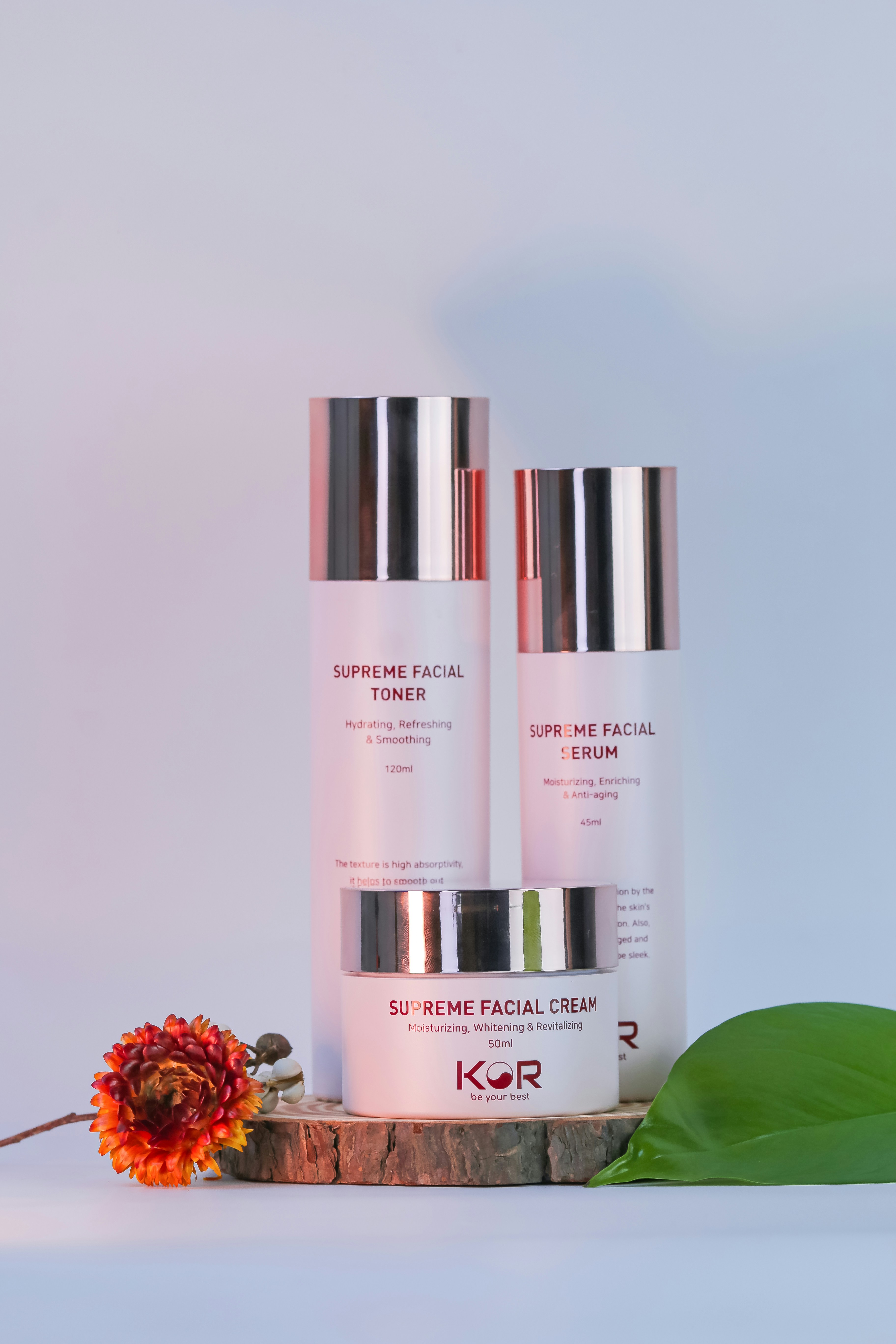
Following cleansing, the next step is toning. A suitable toner for oily skin should contain ingredients like witch hazel or tea tree oil, both of which are known for their oil-regulating properties. Applying a toner not only refreshes the skin but also helps to remove any residual makeup or impurities left after cleansing. Use a cotton pad to apply the toner evenly across your face.
If your skincare routine includes treatment products, this is the time to apply them. Look for lightweight serums that specifically address oily skin concerns, such as those containing niacinamide or hyaluronic acid. These ingredients can help to reduce shininess while providing hydration without clogging the pores.
Moisturizing is an essential step, even for oily skin. Opt for an oil-free, non-comedogenic gel moisturizer, which hydrates the skin without contributing to excess oil production. It will help maintain the skin’s barrier while keeping the complexion balanced.
Finally, no morning routine is complete without sunscreen. For oily skin, choose a broad-spectrum sunscreen with SPF 30 or higher that is specifically formulated for oily skin types. A gel or matte finish sunscreen can help achieve sun protection while minimizing shine. Apply generously to all exposed areas, and reapply throughout the day as needed.
Step-by-Step Evening Skincare Routine
Maintaining an effective evening skincare routine is essential for individuals with oily skin, especially during the summer months when oil production can increase. The following steps will facilitate oil control and skin recovery overnight, ensuring a refreshed complexion by morning.
The first step in your evening routine should be double cleansing. Start with an oil-based cleanser to effectively dissolve makeup, excess oil, and impurities from the skin’s surface. Apply a moderate amount of the cleanser on dry skin and massage it gently to lift away dirt. Follow this with a water-based cleanser to remove any residual products and further cleanse the pores. This two-step process is particularly beneficial for oily skin, as it prevents clogged pores and breakouts.
After cleansing, it is vital to treat oily skin with targeted treatments. Incorporate a salicylic acid-based toner or treatment serum that helps to exfoliate the skin and keep pores clear. Salicylic acid penetrates the skin to reduce acne and oiliness, making it a great ally for oily skin types. Apply the treatment evenly across the face, focusing on areas prone to excess oil.
Next, using an oil-free moisturizer is key for hydration without adding excess shine. Look for gel-based moisturizers enriched with hydrating ingredients such as hyaluronic acid or glycerin. These will ensure the skin remains moisturized without feeling greasy. A lightweight moisturizer will balance oil production and provide necessary hydration for skin recovery overnight.
Finally, if your skin requires additional treatment, consider incorporating a non-comedogenic night cream or overnight mask formulated specifically for oily skin. This step will help in repairing and rejuvenating the skin while you sleep.
The Importance of Exfoliation for Oily Skin
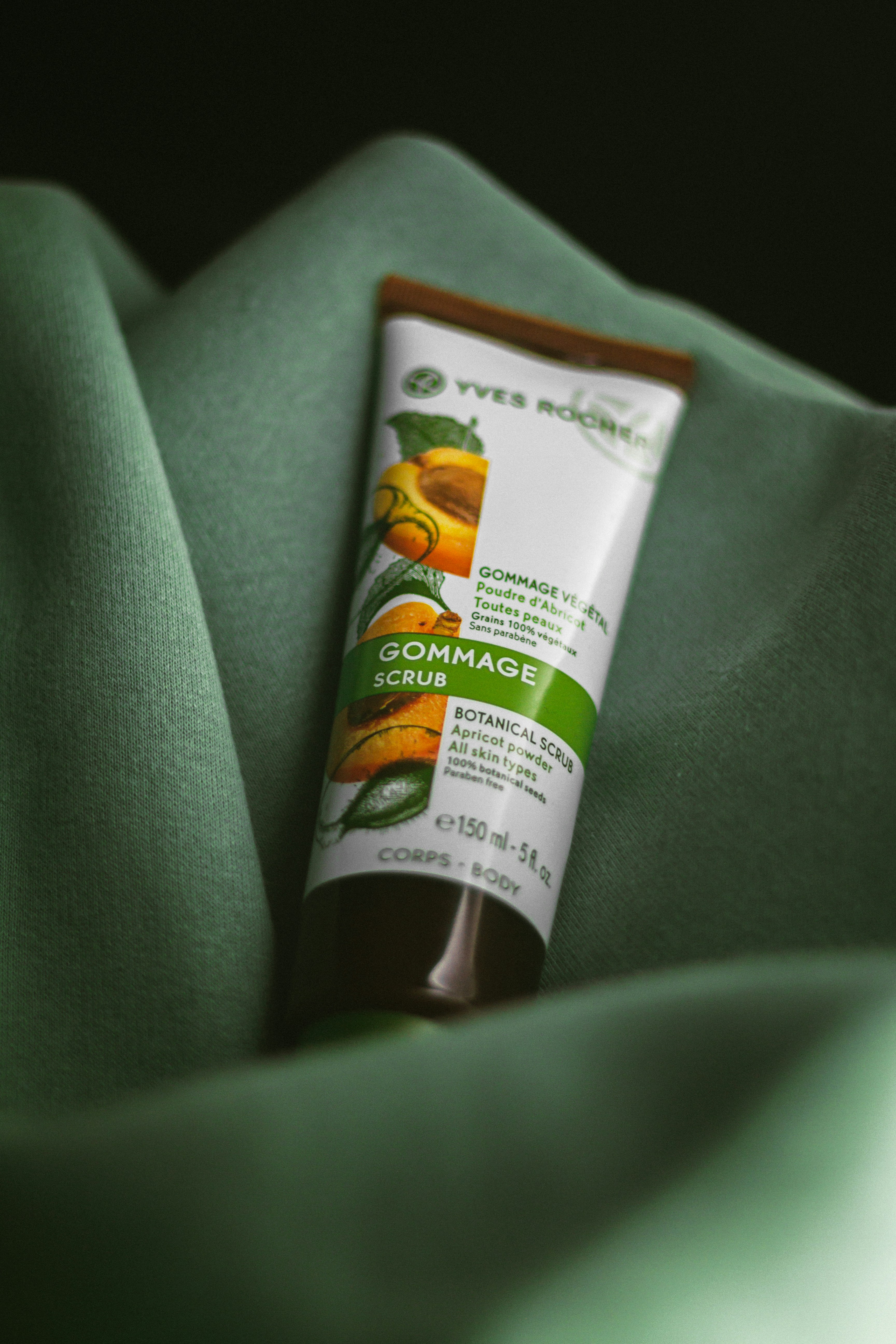
Exfoliation is a vital step in any skincare routine, particularly for individuals with oily skin, especially during the warm summer months. Oily skin types are prone to excess sebum production, which can lead to clogged pores and an increased likelihood of breakouts. By incorporating exfoliation into your routine, you can effectively remove dead skin cells, which accumulate more rapidly due to the higher humidity often associated with summer.
During the summer, the heat can amplify oiliness, making regular exfoliation essential to maintaining a clear and healthy complexion. It helps improve skin texture, enhances the absorption of other skincare products, and promotes cell turnover. As a general guideline, oily skin should be exfoliated two to three times a week. This frequency is sufficient to prevent build-up while avoiding irritation, which can negatively affect the skin.
When choosing an exfoliant, you have two primary categories: chemical and physical exfoliants. Chemical exfoliants, which contain alpha hydroxy acids (AHAs) or beta hydroxy acids (BHAs), are highly effective for oily skin. They work by dissolving dead skin cells and clearing out clogged pores without the need for scrubbing. Salicylic acid, a popular BHA, is particularly beneficial for oily skin as it can penetrate deeper into the pores, reducing the likelihood of breakouts.
On the other hand, physical exfoliants involve manual scrubbing. These can be effective but should be used with caution, as over-exfoliating can irritate oily skin further, leading to more oil and breakout problems. If you opt for a physical exfoliant, select one with gentle, fine granules to minimize potential skin damage.
Hydration Strategies for Oily Skin
There exists a prevalent misconception that oily skin does not require hydration. However, maintaining proper hydration is crucial for all skin types, including oily skin. In fact, neglecting hydration can lead to an imbalance, prompting the skin to produce even more oil to compensate for dryness. This can exacerbate issues such as acne and enlarged pores. Thus, understanding hydration strategies for oily skin is key to achieving a healthy, balanced complexion.
One effective approach to hydrate oily skin is to incorporate lightweight gel-based moisturizers into the skincare routine. These gels are typically formulated with water and offer a refreshing feel without the heavy, greasy texture that cream-based products may impart. Ingredients such as hyaluronic acid, which can hold several times its weight in water, offer significant hydration without clogging pores. This allows oily skin to retain moisture while also facilitating a more matte finish.
Another viable option for oily skin hydration is the application of hydrating serums. These products often contain concentrated active ingredients that penetrate deep into the skin, ensuring that hydration is delivered efficiently. When choosing a serum, look for those with niacinamide or salicylic acid—both of which help in regulating oil production while providing necessary moisture. Regular use of such serums can help maintain the moisture balance, reducing the urge for excess oil production.
Ultimately, achieving optimal hydration for oily skin involves selecting appropriate products that address oiliness while ensuring sufficient moisture levels. By integrating lightweight moisturizers and effective hydrating serums into your skincare regimen, you can combat the misconceptions surrounding oily skin and foster a healthy, hydrated complexion this summer.
Sun Protection for Oily Skin
As summer approaches, the importance of incorporating sun protection into your skincare routine cannot be overstated, particularly for individuals with oily skin. Sunscreen is a vital component that not only protects the skin from harmful UV rays, but it also aids in preventing long-term skin damage, including premature aging and hyperpigmentation. However, finding the right formulation for oily skin is crucial to ensure that it does not contribute to further skin issues.
For those with oily skin, the ideal sunscreen should be oil-free and non-comedogenic, meaning it will not clog pores. Gel-based sunscreens or those labeled as mattifying are often the best options, as they provide the necessary protection without adding excess shine or heaviness to the skin. These lightweight formulations typically absorb quickly and leave a matte finish, making them suitable for daily wear during the summer months.
It is important to apply sunscreen generously and evenly over the skin to achieve maximum protection. A good rule of thumb is to use about a nickel-sized amount for your face and additional product for other exposed areas, such as the neck and ears. Reapplication is equally essential; sunscreen should be reapplied every two hours, especially after swimming or sweating. Additionally, considering a broad-spectrum sunscreen with an SPF of 30 or higher is recommended to effectively shield the skin from both UVA and UVB rays.
In summary, when selecting a sunscreen for oily skin, prioritize formulas that are lightweight, oil-free, and specifically designed to maintain a matte appearance. This thoughtful approach to sun protection can significantly enhance your summer skincare routine while keeping your oily skin balanced and protected from the sun’s damaging effects.
Conclusion and Additional Tips
As we have discussed throughout this blog post, an effective skincare routine for oily skin is crucial, especially during the summer months when humidity levels can exacerbate oiliness and lead to breakouts. By implementing a tailored regimen that includes gentle cleansing, appropriate exfoliation, lightweight moisturizers, and oil-free sunscreens, individuals with oily skin can significantly improve their skin health and appearance.
Additionally, it is important to remember that managing oily skin encompasses more than just topical treatments. Maintaining a balanced diet can play an integral role in controlling oil production. Foods rich in antioxidants, fiber, and healthy fats can contribute positively to skin health. Staying hydrated is equally important; drinking sufficient water daily helps flush out toxins and can prevent the skin from producing excess oil.
Regular skincare check-ups with a dermatologist should also be considered part of your skincare routine. These professionals can provide personalized advice based on your skin’s specific needs and can recommend treatments or products that may be more effective. For those prone to severe oiliness or acne, treatments like chemical peels or prescribed medications may help in managing the condition more effectively.
In summary, maintaining an effective skincare routine for oily skin during summer involves both a customized approach and complementary lifestyle habits. By following the strategies outlined and adhering to these additional tips, individuals can keep their oily skin in check, achieve a clearer complexion, and feel more confident in their skin throughout the summer season.